It happens suddenly, you’re driving along Sheikh Zayed Road or cutting through Sharjah traffic when the brake pedal feels softer than usual. You press again, and the car takes longer to slow down. It’s a tense moment every UAE driver dreads. With long commutes, high temperatures, and fast-moving traffic, your car’s braking system works harder here than almost anywhere else.
Before panic sets in, remember this: brake problems rarely appear overnight. They usually start small: a faint squeal, a bit of vibration, or an odd smell after heavy braking. Spotting these early signs and acting fast is key. That’s where reliable auto repair shops in Sharjah can help, ensuring your brakes stay strong and your drives stay safe.
Why Brake Health Matters More in Dubai’s Conditions
Dubai’s combination of heat, humidity, and stop-and-go traffic creates perfect stress conditions for braking systems. The constant friction between the brake pads and rotors generates high temperatures, which can cause brake fluid to overheat or fade. Add dust, sand, and frequent short drives, and your brakes endure serious wear.
According to the UAE’s Roads and Transport Authority (RTA), regular brake checks are one of the top safety priorities for all vehicles. Yet many drivers delay maintenance until something feels wrong, often when it’s already too late.
Recognizing the Warning Signs of Brake Failure
Your car gives clues long before the brakes completely fail. Here’s what to watch for:
Squeaking or Grinding Noises:
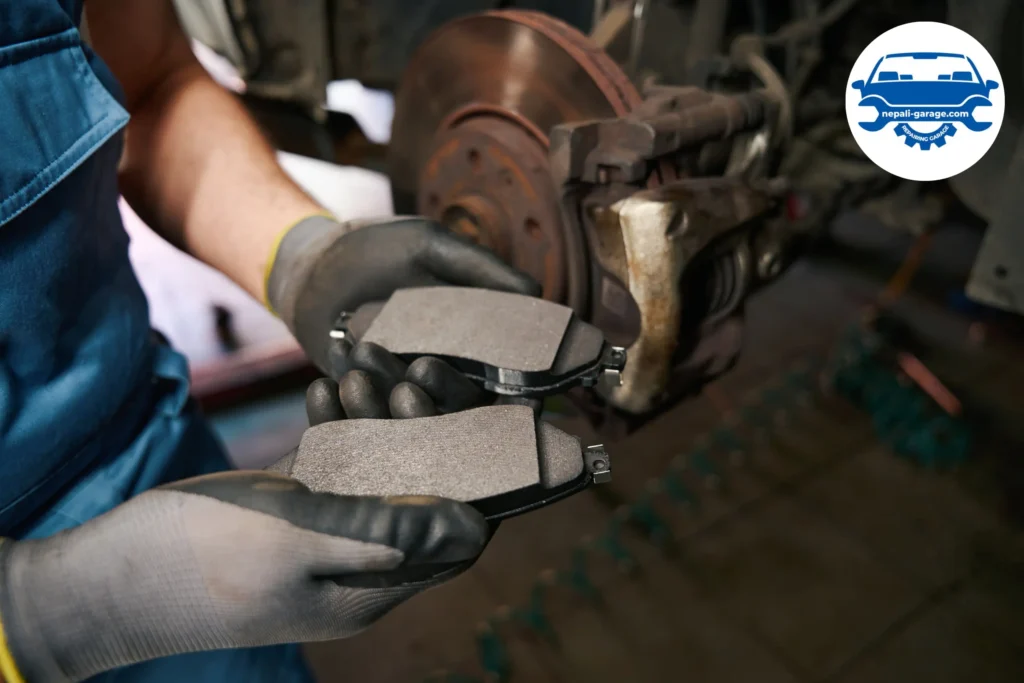
A squeal usually means your brake pads are wearing down. Grinding indicates metal-to-metal contact, a serious sign that requires immediate attention.
Vibrations When Braking:
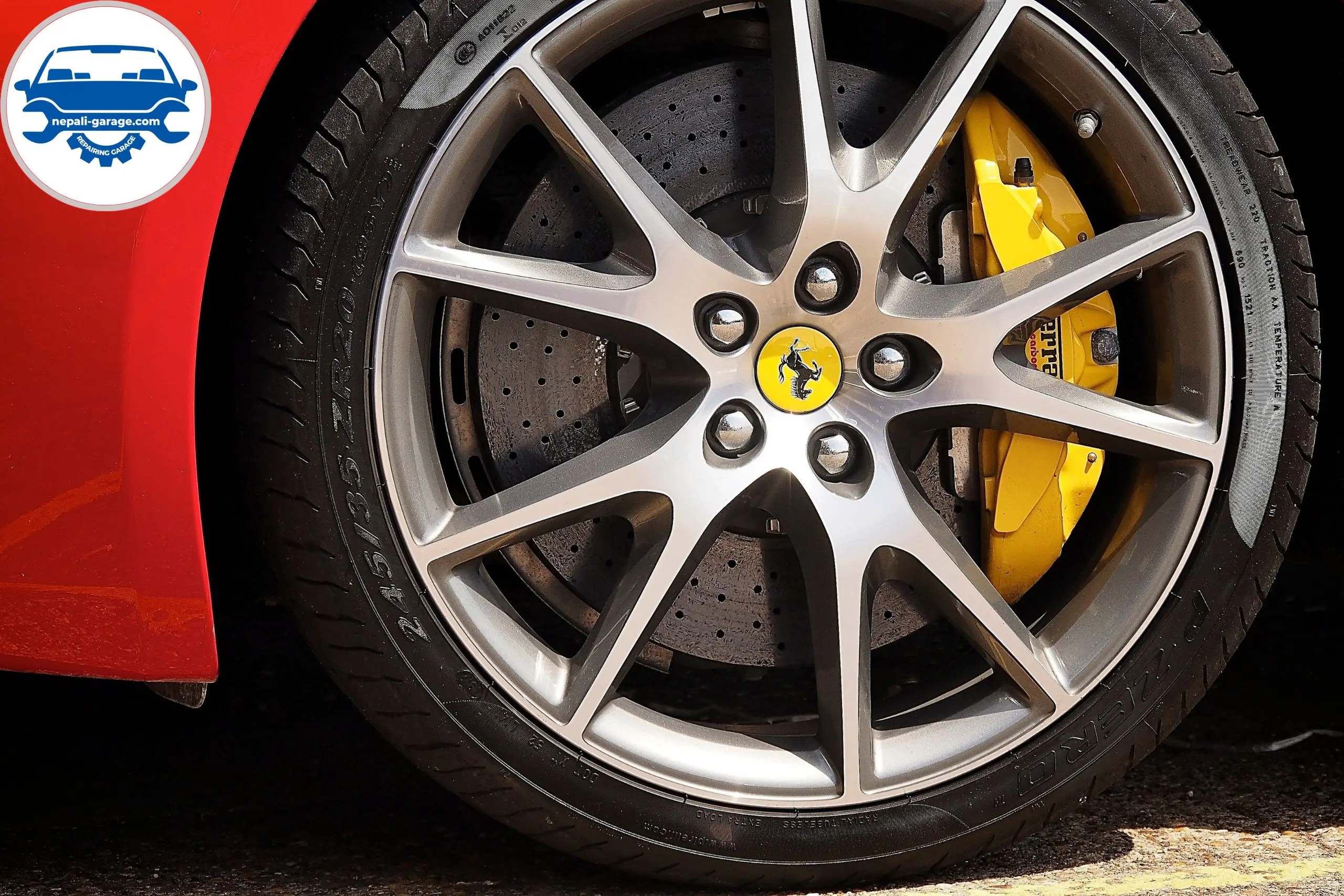
Warped brake rotors can cause your steering wheel or pedal to shake when you press the brakes. This often happens from prolonged braking on steep roads or overheating.
Soft or Spongy Pedal:
If the brake pedal feels unusually soft or sinks lower than normal, air or moisture may be in the brake lines. It’s unsafe to drive like this. Search for car repair shops near me and get your car inspected immediately near your local auto repair shop.
Pulling to One Side:
If your car drifts left or right while braking, it may signal uneven brake pad wear or a hydraulic imbalance.
Burning Smell After Braking:
Overheated brakes emit a sharp, chemical odor. Stop driving immediately and let them cool down; continuing can damage the rotors and fluid.
Understanding the Emergency Brakes in Car
Many drivers treat the handbrake (or parking brake) as something you use only when parked, but the emergency brakes in car serve a vital backup purpose. If your main hydraulic brakes fail, the emergency brake provides mechanical stopping power.
However, like the main system, it also requires regular maintenance. Dust and corrosion can cause cables to seize or weaken over time. During servicing, ask your technician to check the tension and lubricate the components so the emergency brake can respond instantly when needed.
How Heat and Driving Habits Affect Your Brakes
The UAE’s high temperatures and heavy traffic create a unique environment for wear and tear. Every time you brake, friction converts kinetic energy into heat, and in hot weather, that heat doesn’t dissipate easily. Prolonged exposure can lead to:
- Brake fade: Reduced stopping power when fluid or pads overheat.
- Warped rotors: Uneven cooling causes metal surfaces to deform.
- Cracked pads: The intense heat can make pads brittle and noisy.
Simple habits like keeping a safe following distance, avoiding constant braking on highways, and shifting to a lower gear on slopes can extend your brake life dramatically.
When to Service Your Brakes
As a general rule, brakes should be checked every 10,000–15,000 km, but more frequent inspections are smart if you often drive in traffic or on long highway routes. During a professional inspection at one of the auto repair shops in Sharjah, mechanics will:
- Inspect brake pads, rotors, and calipers for wear.
- Check and replace brake fluid if it appears dark or contaminated.
- Clean and lubricate components to prevent corrosion.
- Test both the main and emergency brakes in the car for balanced stopping.
If replacements are needed, always choose high-quality, heat-resistant brake pads designed for the Middle Eastern climate.
Why Professional Brake Service Matters
Some drivers attempt to replace brake pads themselves, but braking systems today are complex. They include sensors, electronic control modules, and hydraulic circuits that need professional calibration. Visiting certified car repair shops near me ensures your entire system is inspected, not just the parts you can see. Mechanics can spot fluid leaks, ABS sensor faults, or master cylinder wear before they turn into expensive failures.
In Sharjah, many workshops offer free brake inspections or package deals that include tire checks, fluid top-ups, and general safety assessments, a smart investment for peace of mind.
Final Thoughts: Don’t Wait for the Warning Light
When it comes to brakes, hesitation is dangerous. Those squeaks, soft pedals, or burning smells are your car’s way of saying, “Help me before it’s too late.” Dubai’s roads demand reliability, and keeping your brakes in top shape means protecting yourself, your passengers, and others on the road.
So before your next long drive or daily commute, schedule a quick visit to trusted auto repair shops in Sharjah. Let the experts check your braking system, including the emergency brakes in your car, and fix small issues before they become costly or risky.
Takeaway: Safe driving starts with responsive brakes. Don’t ignore the signs. Get your car emergency brake checked today at reliable car repair shop near you and drive confidently, knowing your car will stop exactly when it needs to.