nepali-garage.com

Author name: arwa

Uncategorized

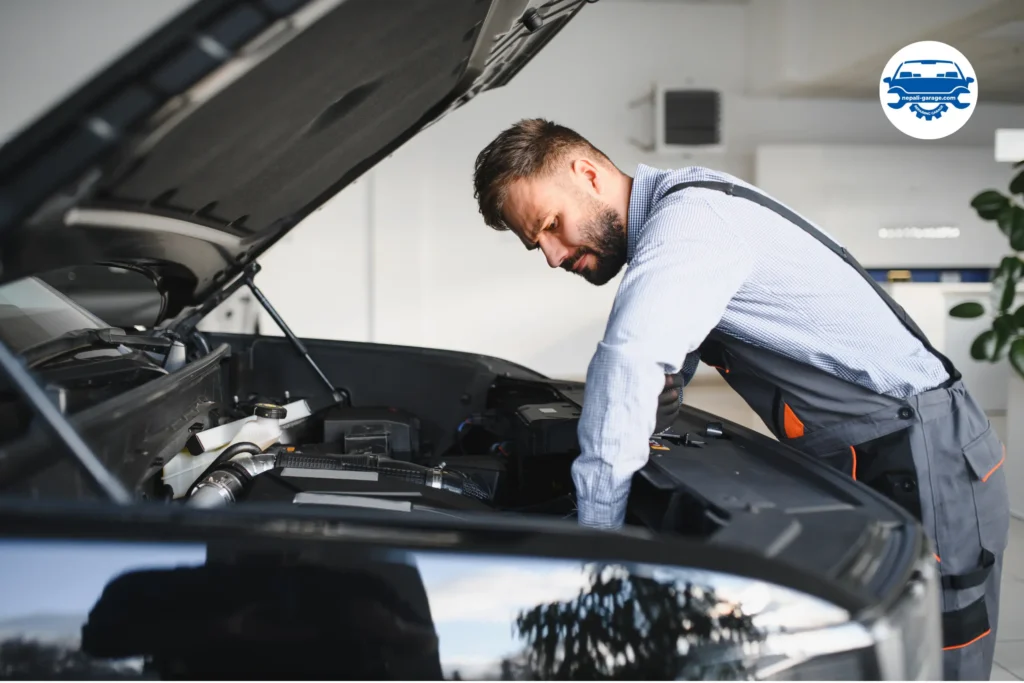
Ultimate Checklist Before a Long Road Trip in UAE

If you’ve ever set off on a long UAE drive, Dubai to Fujairah, Sharjah to Abu Dhabi, or even a desert getaway, you know the mix of excitement and quiet anxiety that comes with it. Will the car handle the heat? Is the AC strong enough? What if something goes wrong miles away from help? These are questions many drivers only ask after they’re stuck on the roadside, hazard lights blinking under the sun. A long road trip in the UAE isn’t just about distance. It’s about heat, speed, sand, and sustained engine load. As mechanics, we often see cars come in after the trip, overheated, vibrating, or simply exhausted. With a little preparation, most of these issues are completely avoidable. Here’s an ultimate, mechanic-approved checklist to help you drive with confidence. 1. Engine Oil & Fluids: Your Car’s Lifeline Before any long drive, check your engine oil level and condition. Dark, gritty oil or overdue service intervals increase engine wear, especially in high temperatures. Top up or replace oil according to your manufacturer’s manual. Don’t stop there. Inspect coolant, brake fluid, power steering fluid, and windshield washer fluid. Low coolant is one of the most common reasons for roadside breakdowns in UAE summers and one of the easiest to prevent. 2. Cooling System: Heat Is the Real Enemy Your radiator, hoses, and cooling fan work overtime during long drives. Look for coolant leaks, cracked hoses, or warning lights. If your temperature gauge has ever climbed higher than normal, even once, get it checked. A healthy cooling system isn’t optional here; it’s survival gear. 3. Tyres: Pressure, Tread, and the Spare Hot roads amplify tyre problems. Check tyre pressure when tyres are cold and inflate according to manufacturer specifications. Over-inflated tyres wear unevenly; under-inflated ones heat up dangerously fast. Inspect tread depth and sidewalls for cracks or bulges. And yes, check the spare tyre. You’d be surprised how many people forget it until it’s too late. 4. Brakes: Silent Until They’re Not Listen for squealing, grinding, or vibrations when braking. Long highway drives followed by sudden stops demand responsive brakes. Brake pads, discs, and fluid should all be in good condition. If your steering wheel shakes while braking, don’t ignore it. That small vibration becomes a big safety issue at high speeds. 5. Battery: Small Part, Big Consequences UAE heat shortens battery life significantly. If your battery is over two years old, have it tested. Slow starts, dim lights, or dashboard warnings are early signs of trouble. A dead battery doesn’t care how well the rest of your car is maintained; it will stop everything. 6. Air Conditioning: Comfort Meets Safety On long drives, AC isn’t just about comfort. Fatigue increases when drivers are hot and dehydrated. Make sure your AC cools quickly and evenly, without odd smells or weak airflow. If cooling feels inconsistent, it may be low gas or a clogged cabin filter, both quick fixes before a trip. 7. Lights, Wipers, and Visibility Check headlights, brake lights, indicators, and fog lights. Dust, fog, or night driving demands visibility. Replace worn wiper blades and top up washer fluid. Clear vision reduces reaction time. It’s that simple. 8. Emergency Kit: Plan for the Unexpected Keep jumper cables, a warning triangle, flashlight, tyre inflator, basic tools, and drinking water in your car. Add a phone charger or power bank. You may never need them, but if you do, you’ll be grateful. 9. Documents & RTA Compliance Ensure your registration, insurance, and driving license are valid. If travelling across the Emirates, this becomes even more important. UAE RTA guidelines strongly recommend regular vehicle inspections for long-distance driving. 10. Professional Inspection: The Smart Shortcut A quick pre-trip inspection by a trusted garage can catch what the eye misses. At Nepali Garage Sharjah, we often spot early warning signs, loose belts, weak batteries, worn brakes, that prevent major breakdowns later. Choosing an experienced workshop like Nepali Car Repair Sharjah isn’t about fixing problems; it’s about preventing them. Final Takeaway A long road trip in the UAE should end with memories, not repair bills. Most breakdowns don’t happen suddenly; they build quietly over time. A simple checklist, a little attention, and a professional inspection can turn uncertainty into confidence. Before your next journey, give your car the care it deserves. The road is long, the heat is real, and preparation is always cheaper than recovery.
Uncategorized

5 Reasons Car Paint Fades Faster – And How to Fix It

If you’ve ever stepped back and noticed your car looking a little dull, less glossy, less vibrant, you’re not imagining it. Many car owners in Sharjah experience fading paint much earlier than expected. Sometimes the change is so gradual that it sneaks up on you; other times, it becomes obvious after a long summer or a weekend road trip. And in those moments, most people ask the same question: Why is my car losing its shine so quickly? Sharjah’s climate, paired with day-to-day driving habits, creates the perfect recipe for accelerated paint wear. Understanding these factors can help you take control before the fading becomes too deep to correct. 1. Intense UV Exposure Weakens the Paint Structure Sharjah has high UV radiation almost year-round, and ultraviolet light is one of the most damaging forces on automotive paint. According to the Journal of Coatings Technology and Research, prolonged UV exposure breaks down the clear coat, the protective layer that gives your car its glossy finish. Once the clear coat begins to degrade, the color layer underneath starts to oxidize, eventually taking on a chalky or dull appearance. How to fix it: Park in shaded areas whenever possible. Apply a high-quality ceramic coating every 12–18 months. Schedule periodic detailing at experienced workshops like a nepali garage in sharjah, where technicians understand how the UAE weather affects paint longevity. 2. Salt, Sand, and Dust Act Like Invisible Sandpaper Sharjah’s proximity to the coast brings in salt-laden air, while the desert surroundings contribute constant fine dust. Both elements settle onto the paint and, when rubbed or wiped dry, create micro-scratches. Over time, these scratches scatter light unevenly, making the paint look flat instead of reflective. Studies published in the “Progress in Organic Coatings” journal confirm that saline particles accelerate oxidation and corrosion in automotive coatings, especially when combined with heat. This means cars in Sharjah face a triple-variable problem: salt + heat + sand. How to fix it: Wash your car twice a week during dusty seasons. Avoid dry wiping; always rinse before cleaning. Consider professional polishing from a nepali garage sharjah, where technicians remove micro-scratches without thinning the paint excessively. 3. Cheap or Older Paint Jobs Fade Much Faster Not all paint jobs are equal. Some workshops use low-grade paint that doesn’t contain sufficient UV stabilizers or durable clear coats. As a result, the color fades or peels sooner than expected. This is common with quick, low-cost repainting jobs, especially aftermarket ones that skip essential steps like primer curing and proper sanding. Professional paint brands like PPG and BASF publish technical guidelines showing that heat and improper curing dramatically shorten paint lifespan, something common in workshops without controlled environments. How to fix it: Choose garages that use quality paint systems. Ask about the brand and type of clear coat used. A reputable nepali garage sharjah often balances affordability with proper technique, making it a cost-effective option for full-body or panel repainting. 4. Air Pollutants Break Down the Clear Coat Industrial zones in Sharjah emit pollutants like sulfur dioxide and nitrogen oxides. When mixed with humidity, they form acidic compounds that settle on vehicle surfaces. These residues gradually weaken the clear coat, especially if the car isn’t washed frequently. Research from the Surface and Coatings Technology Journal shows that acidic contaminants cause micro-etching on clear coats, accelerating fading and rough surface texture. How to fix it: Use pH-neutral shampoo to prevent chemical reactions. Apply paint sealants every 3–4 months. Get periodic deep cleaning and waxing at a nepali garage sharjah, which helps strengthen the protective barrier against airborne pollutants. 5. Harsh Heat Accelerates Oxidation and Paint Breakdown Sharjah’s extreme temperatures, sometimes exceeding 48°C, cause the paint to expand and contract repeatedly. Over time, this thermal stress weakens the bond between layers. When combined with UV exposure, the degradation becomes much faster. Oxidation leads to the familiar dull, matte look that many older cars develop. But even newer vehicles can experience early oxidation if not protected properly. How to fix it: Use a UV-resistant car cover when parked outdoors. Apply wax or sealant regularly to slow oxidation. If fading is already visible, a detailing job or repaint at a nepali car garage in sharjah can restore the original shine. Final Takeaway Car paint fading isn’t just a cosmetic issue; it’s a sign that the protective layers are wearing down, leaving your car vulnerable to future damage. Sharjah’s environment makes this a common problem, but the good news is that with the right care, you can dramatically slow the process. Here’s your quick action plan: Stay consistent with washing and protection. Avoid harsh sun exposure when possible. Invest in professional detailing or repainting early, before the damage deepens. Your car doesn’t have to lose its shine before its time. With a mix of smart maintenance and expert support, especially from skilled technicians at a nepali garage sharjah, you can keep your vehicle looking vibrant, protected, and ready for the road ahead.

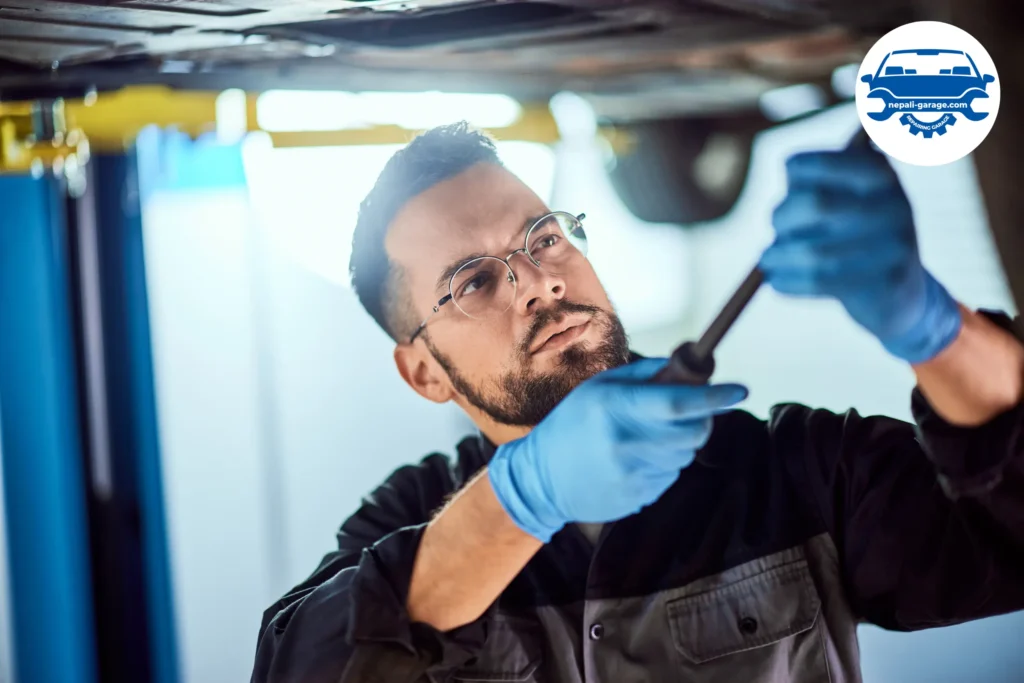
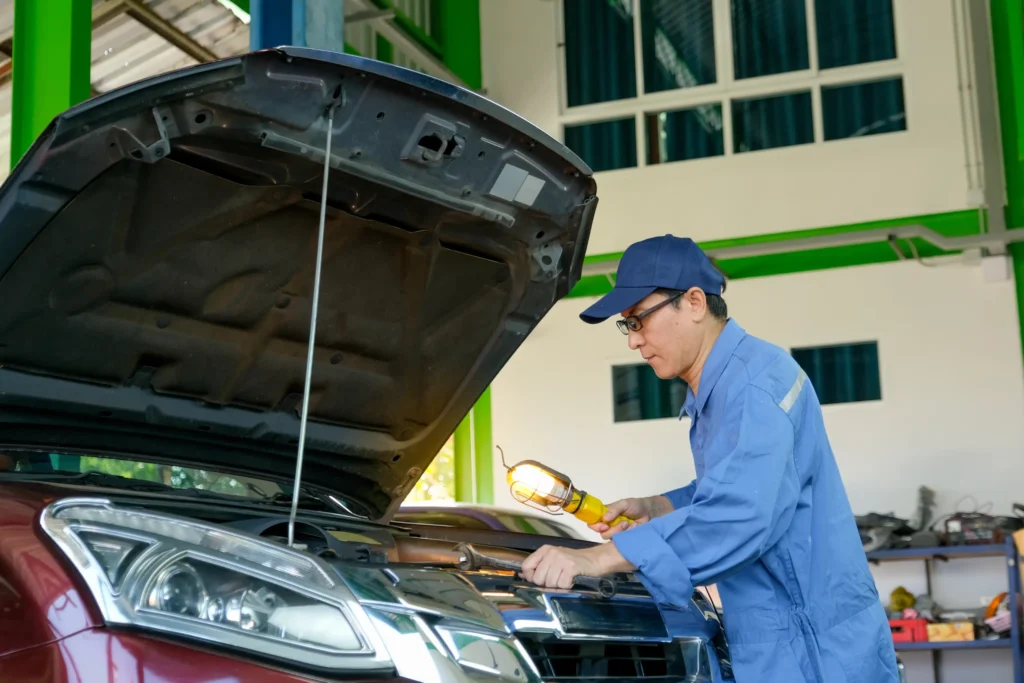
Mechanic repair car in garage
Uncategorized

Top Car Brands in UAE and Their Common Repair Needs

If you’ve driven in the UAE long enough, you already know the routine: the highway hums, the AC works overtime, and the desert sun feels like it’s testing the limits of both you and your car. It’s usually during these moments that a strange sound from under the hood or an unexpected dashboard warning suddenly feels personal. As a technician at Nepali Garage Sharjah, I’ve seen these patterns repeat across the most popular car brands. Different cars, different builds, but the same UAE heat and road conditions pushing them to their limits. In this guide, I’ll walk you through the top car brands on UAE roads and the issues they most commonly face. These insights come from real repair cases, manufacturer recommendations, and practical experience at Nepali Auto Repair Garage Sharjah. If you recognize some of these symptoms in your own car, take it as a friendly nudge to handle it before it grows into something more expensive. 1. Toyota: The UAE’s Workhorse with Hidden Wear Points Toyota dominates UAE roads for a reason: durability, comfort, and strong resale value. However, even the toughest cars feel the heat. Common Repair Needs: AC Compressor Weakening: The relentless summer heat strains the compressor, often requiring repair or replacement faster than in cooler regions. Suspension Bushing Wear: Daily city driving mixed with occasional desert trips accelerates wear, leading to knocking sounds or vibrations. Brake Pad and Disc Wear: Frequent stop-and-go traffic, especially in Dubai and Sharjah, causes more rapid brake wear. Pro Tip: If your Toyota’s AC isn’t cooling like it used to, don’t wait for the compressor to fail. Early diagnosis saves hundreds of dirhams and can be done easily at Nepali Garage Sharjah. 2. Nissan: Reliable but Sensitive to Heat & Electronics Nissan sedans and SUVs are favored for affordability and comfort. But in UAE conditions, their electrical components demand extra attention. Common Repair Needs: Electrical System Glitches: Many Nissan models experience issues with power windows, sensors, and dashboard electronics in high heat. AC Evaporator Leaks: Another heat-related issue that can suddenly leave you sweating on the motorway. Transmission Judder in CVT Models: The continuously variable transmission can overheat during long commutes or when carrying heavy loads. Pro Tip: If your CVT feels sluggish or jerky, get a transmission fluid inspection immediately. Overheating is a silent car killer. 3. Mitsubishi: Built for Value but Often Overworked Practical and affordable, Mitsubishi vehicles, especially the Pajero, are popular among UAE families. But heavy usage takes its toll. Common Repair Needs: Radiator & Cooling System Issues: Pajeros often come in with overheating when the radiator isn’t cleaned regularly. Timing Belt Replacement: Many owners delay this maintenance, leading to sudden breakdowns. Steering Rack Leakage: A common complaint after about 120,000–150,000 km. Pro Tip: A yearly radiator flushing is one of the best maintenance habits you can adopt in the UAE climate. 4. Honda: Smooth Driving with Transmission & AC Challenges Honda cars are known for comfort and long lifespans, but UAE humidity and heat expose certain weak points. Common Repair Needs: AC Cooling Coil Failure after years of high-intensity use. Engine Mount Wear: You’ll feel this as vibration inside the cabin at idle. Transmission Fluid Breakdown: Especially in older Civics and Accords. Pro Tip: If your Honda vibrates at a red light, it’s almost always the engine mounts. Replacing them restores that smooth Honda feel. 5. Lexus: Luxury That Requires Premium Maintenance Many UAE residents love Lexus for its quiet cabins and reliable luxury. But what people sometimes forget is that luxury cars must be maintained at luxury standards. Common Repair Needs: Air Suspension Failure: Extreme heat accelerates wear on air suspension components. Dashboard Melting or Cracking: Older Lexus models are prone to heat damage. Power Steering Pump Issues: Particularly in high-mileage vehicles. Pro Tip: If your Lexus is bouncing more than floating, your air suspension needs an evaluation at Nepali Auto Repair Garage Sharjah before it fully gives out. 6. German Brands (Mercedes, BMW, Audi): Performance with Precision Challenges These cars offer incredible performance but aren’t always built with desert environments in mind. Common Repair Needs: Cooling System Failures: Thermostats, fans, and radiator components overheat quickly. Electronic Sensor Failures: German vehicles use advanced electronics that struggle in extreme temperatures. Oil Leaks from Gaskets: A very common sight after 100,000 km. Pro Tip: Don’t skip even a single scheduled service with German vehicles. They’re precision machines and need precision care. Final Takeaway: UAE Roads Demand Extra Care No matter which car you drive, the UAE’s heat, sand, and long-distance routes impact your vehicle more than you might expect. The best way to avoid breakdowns is preventive maintenance, quick diagnosis of unusual sounds, and regular servicing by trusted mechanics. If your car is showing a warning light, heating up, vibrating, or simply doesn’t feel “right,” now is the moment to act. A small fix today prevents a major repair tomorrow. For reliable, transparent, and affordable service, the team at Nepali Garage Sharjah is always ready to help. Whether you need a basic checkup or a full mechanical overhaul, our technicians ensure your car stays safe and road-ready. Your car works hard for you in this climate. Give it the care it deserves.

Uncategorized

Top Car Care Hacks for Dusty Roads in Dubai and Sharjah

If you’ve driven along Maliha Road, crossed the dips near Al Qusais, or taken that late-night trip on Emirates Road, you’ve probably noticed something: dust is everywhere. It settles on your windshield, clogs your AC vents, and somehow even sneaks into the trunk. And with Dubai’s open desert pockets and Sharjah’s busy industrial routes, dust becomes more than an annoyance; it becomes a real threat to your vehicle’s health. So the question most UAE drivers secretly ask is this: “How do I keep my car in good condition when every road feels like a sandpit?” As someone who has spent years around engines, filters, and frustrated car owners, I can tell you this: dust-related damage is preventable, if you know what to look for. Below are practical, mechanic-approved hacks to keep your car running smooth despite the dusty conditions. 1. Clean and Replace Your Air Filter More Often Than You Think If there’s one part that suffers the most in Dubai and Sharjah, it’s the engine air filter. Normally, manufacturers suggest cleaning or replacing it every 15,000–20,000 km. But in real UAE conditions? Check every 5,000–7,000 km. Clean when dirty. Replace when clogged. A choked filter reduces acceleration, fuel efficiency, and air intake. Some drivers think their car is “getting old” when the real problem is just a dusty filter. If you don’t want to deal with it yourself, a quick stop at a trusted workshop, such as a Nepali Garage Sharjah, can get it cleaned or replaced in minutes. 2. Wash Your Car More Frequently – But the Right Way Driving through dusty roads means the dust turns into a fine abrasive layer on your paint. When mixed with humidity or morning dew, it can scratch your vehicle even when you wipe gently with a cloth. Here’s what works best: Rinse, don’t wipe dust off the paint. Use pH-balanced car shampoo (cheap shampoos damage the clear coat). Choose a pressure wash for undercarriage cleaning, sand hides there. Wax your car every 6–8 weeks to create a protective barrier. The difference between a car washed correctly and a car wiped dry on a dusty day is years of paint life. 3. Keep Your Cabin Filter Fresh to Protect Your AC System In the UAE, AC is life. But dusty roads can block cabin filters quickly, reducing cooling efficiency and increasing allergen levels inside the cabin. A practical rule: Change every 10,000 km, or sooner if airflow feels weak. A good AC checkup at a professional place like Nepali Auto Garage Sharjah will also remove accumulated sand around the blower motor, something many car owners don’t realize is happening until the noise starts. 4. Inspect Fluids More Often, Dust Accelerates Wear Dust and sand can seep into areas you’d never expect. That’s why frequent fluid checks make a big difference, especially: Engine oil Brake fluid Transmission fluid Coolant If you drive on dusty routes daily, oil breaks down faster because the engine works harder. A slightly early oil change, say at 8,000 km instead of 10,000 km, can prevent wear and overheating. And no, this isn’t just a “mechanic selling service.” It’s something you’ll find echoed in multiple manufacturer manuals for “severe driving conditions.” 5. Protect Your Engine Bay From Dust Accumulation Most drivers ignore the engine bay until something goes wrong. But dust buildup around sensors, wiring, and air intake points can cause: Poor idling Check-engine lights Sensor malfunction Reduced cooling efficiency A gentle engine-bay cleaning with compressed air is usually enough. Avoid water unless done by a professional garage. If you’re unsure, a quick inspection at a reliable workshop such as Nepali Garage Sharjah can save you from electrical headaches later. 6. Check Tyre Pressure More Frequently in Dusty Desert Conditions Dusty roads often mean uneven surfaces and tiny debris. This can cause: Slow punctures Rapid tyre wear Reduced handling RTA recommends checking tyre pressure every two weeks, but if you frequently use sandy or dusty roads, weekly checks are far safer. Also consider: Using all-terrain or sand-friendly tyres if you travel off-road often. Keeping a portable tyre inflator in your trunk. One quick pressure check can save you from a roadside breakdown under a blazing UAE afternoon sun. 7. Seal the Small Openings, Dust Creeps Everywhere You’d be surprised how much dust enters through: Door rubber seals Boot seals Sunroof edges AC vents If you see dust trails on your dashboard or seats, your seals might be drying or cracking. A silicone-based rubber conditioner every 2–3 months keeps the seals flexible and dust-tight. A small fix, but a big difference in interior cleanliness. 8. Don’t Ignore Warning Lights, Dust Interferes With Sensors Dust can clog Mass Air Flow sensors, wheel-speed sensors, and even affect ABS systems. If a warning light pops up after a dusty drive, it might not be a serious failure, just a sensor that needs a cleaning. Still, don’t guess. A diagnostic scan at a workshop like Nepali Auto Garage Sharjah can pinpoint the issue within minutes and save you from replacing unnecessary parts. Final Takeaway Driving in Dubai and Sharjah will always come with dust, sand, and harsh heat, but maintaining your car doesn’t have to feel overwhelming. A few preventive steps, like regular filter checks, proper washing, tyre maintenance, and keeping sensors clean, can dramatically extend your car’s life. And when something feels off, a quick visit to a trusted workshop such as Nepali Garage Sharjah can help you stay ahead of problems before they turn costly. Your car is your everyday companion in the UAE. With the right care, it’ll handle the dusty roads like a champ.

Uncategorized

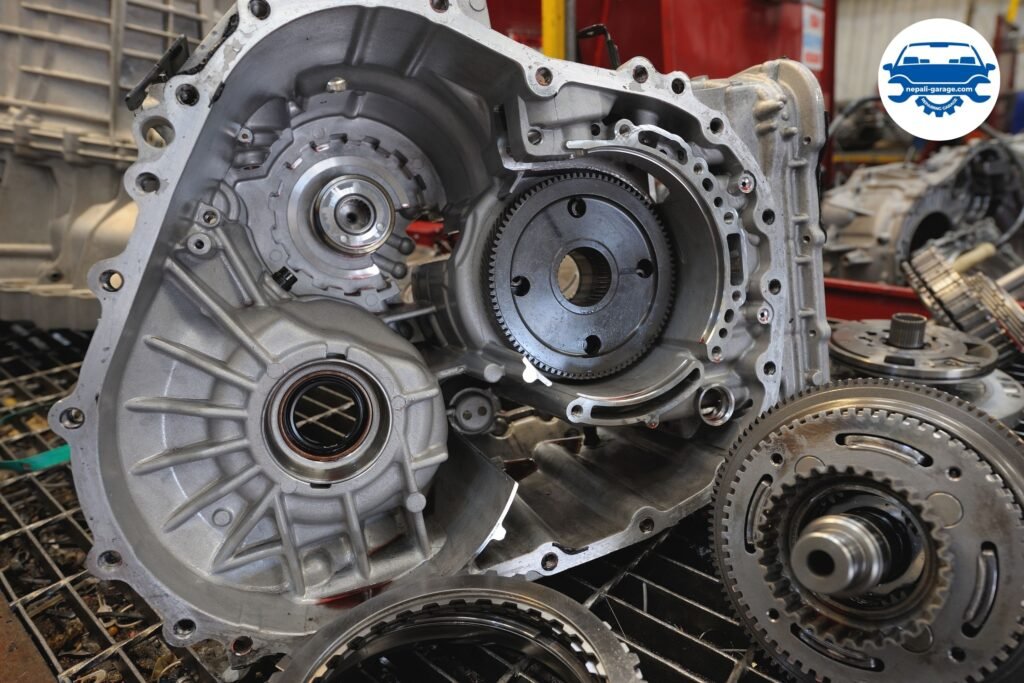
5 Silent Gearbox Issues Every UAE Driver Should Watch Out For

If you’ve ever driven down Sheikh Zayed Road on a scorching afternoon, you know how hard your car works just to keep up. The AC is blasting, traffic is crawling, and temperatures hover near 45°C. In moments like this, your gearbox, quiet, unseen, and often forgotten, takes on the heaviest load. And the truth is, most gearbox failures don’t start with a loud bang or dramatic breakdown. They begin silently, with small changes drivers barely notice. But in a climate as demanding as the UAE, those subtle signs matter. They can be the difference between a quick tune-up and a complete gearbox overhaul costing thousands. As technicians who regularly diagnose these issues at workshops like Nepali Garage Sharjah, we see a pattern: gearbox problems almost always give early warnings… if you know what to look for. Here are five silent gearbox issues UAE drivers should never ignore. 1. Heat-Stressed Transmission Fluid (The UAE’s Biggest Hidden Issue) Let’s start with the most common silent culprit: transmission fluid degradation. In extreme heat, gearbox oil breaks down faster than manufacturers anticipate, especially in the UAE, where long commutes and stop-and-go traffic cause constant friction. When fluid becomes thin or burnt, it can’t lubricate or cool the system properly. But the early signs are so subtle that most drivers miss them: Slight hesitation when shifting A delayed response when accelerating A faint burning smell after long drives According to manufacturer guidelines and AAA automotive data, overheated transmission fluid is the leading cause of premature gearbox wear. If you notice even a hint of sluggish shifting, it’s worth searching gearbox repair near me before the issue escalates. 2. Gear Slippage That Comes and Goes One day, your car feels normal. The next, you press the gas and the RPM rises, but your speed doesn’t match. Then the next day, it disappears. This “on-and-off” behavior makes gear slippage one of the trickiest silent issues. Early symptoms you may overlook: The car feels “lazy” on acceleration RPM surges briefly Mild shuddering when shifting In UAE conditions, gear slippage can be triggered by fluid leaks, worn solenoids, or overheating. And because it starts mild, drivers often wait too long. My advice? If the gearbox feels unpredictable even for a split second, get it checked. A transmission isn’t supposed to be moody. 3. Micro-Leaks You Never Notice on Your Driveway Transmission fluid rarely gushes out like engine oil. Instead, it starts with micro-leaks, small enough to evaporate on hot pavement before you see a puddle. And with UAE roads hitting extremely high surface temperatures, these leaks often go unnoticed. Look for these subtle clues: Dark residue around the gearbox casing A reddish tint on the underside of the engine bay A slight burnt smell after long drives Gradually worsening gear shifts Mechanics at Nepali Garage Sharjah often identify transmission problems that began as tiny leaks the owner never saw. A quick inspection can save your gearbox long before the fluid drops to dangerous levels. 4. Soft Vibrations That Feel “Normal” (But Aren’t) Almost every driver in Dubai or Sharjah knows the feel of textured roads or mild vibrations from AC compressors. That’s why gearbox-related vibrations often go unnoticed; they blend into the background. But here’s the key difference: Gearbox vibrations happen at specific moments. Watch for vibrations when: The car shifts between gears The vehicle is under load (like climbing a bridge) Driving at a steady speed on the highway These can indicate: Worn torque converters Faulty clutch packs Imbalanced driveshaft components affecting the transmission If your car vibrates only during certain gear changes, it’s a classic sign that something deeper is going on inside the gearbox. 5. Software & Sensor Glitches (The Modern Silent Failure) Modern cars depend heavily on electronics, gearbox control modules, speed sensors, solenoids, and pressure regulators. When one misreads data, the gearbox may behave oddly without making any noise at all. Common silent symptoms: Occasional delayed shifts Unnecessary downshifting The car “thinking” longer before changing gears An unexpected jump between gears while overtaking These issues don’t feel mechanical, which is why drivers ignore them. But according to industry experts and RTA-approved inspection guidelines, even minor sensor errors can lead to severe gearbox stress over time. A simple diagnostic scan can reveal everything within minutes. Final Takeaway: Silent Gearbox Issues Aren’t Truly Silent. Your gearbox does whisper before it screams. It’s just that most drivers don’t know the language. A few seconds of hesitation. A shift that takes a heartbeat longer. A faint vibration you assume is the road. An unusual smell after a long drive. These aren’t random quirks; they’re communication. Catching problems early can save thousands of dirhams and extend the life of your car significantly. If you’ve noticed any symptoms in this list, even mildly, it’s worth getting a professional inspection. A trusted workshop like Nepali Garage Sharjah can quickly diagnose these silent issues before they become major repairs. And the next time your car does something “small and strange,” ask yourself: Is this just normal UAE driving… or is my gearbox trying to tell me something?

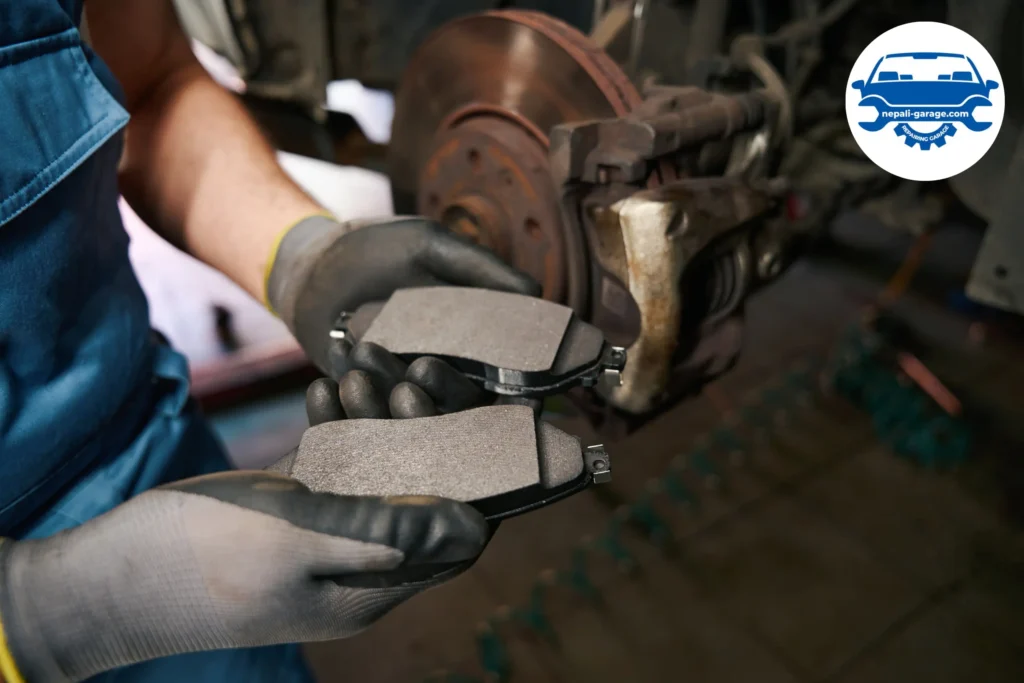
Mechanic changing car brake pads in garage
Uncategorized

From Noise to Safety: Signs Your Brake Pads Need Changing Before It’s Too Late

You’re driving through Sharjah’s busy roads, AC running, traffic pulsing, and the heat bouncing off the asphalt. You press the brake gently at a red light, and there it is: a sharp squeal or faint grinding sound. You tell yourself it’s probably dust or sand (and in the UAE, that’s not impossible). But what if it’s something more serious?That sound could be your brake pads asking for attention before they fail. And when it comes to safety, delaying brake service isn’t a smart bet, especially with the stop-and-go traffic and long summer drives we face here. At Nepali Car Garage Sharjah, we often see customers come in only after the noise becomes unbearable or braking feels “different.” The truth is, brake pads give several early warnings before they reach the danger zone; you just need to know what to look (and listen) for. 1. The High-Pitched Squeal You Shouldn’t Ignore That squealing or screeching noise when you press the brake pedal isn’t just annoying, it’s a built-in alert. Most brake pads have small metal wear indicators designed to produce this sound once the pads are thinning.In the UAE’s hot climate, brake dust, humidity, and sand can sometimes cause temporary noise, but if it’s consistent and happens every time you brake, it’s likely the pads are nearing their limit. Tip: If you hear the noise even at low speeds or right after starting the car, get a quick inspection at Nepali Auto Repair Sharjah before the issue turns into full-blown rotor damage. 2. Grinding Sounds Mean the Pads Are Gone A grinding or growling noise is a red flag that your brake pads are already worn down to the metal. At this stage, the friction material is gone, and the metal parts are scraping directly against the rotor.This not only reduces braking efficiency but also damages the rotor surface, turning a simple pad replacement into a much more expensive repair. According to AAA Auto Repair guidelines, continuing to drive with metal-on-metal contact can increase stopping distances dramatically, especially at highway speeds. 3. A Vibration in the Pedal or Steering Wheel If your brake pedal vibrates or your steering wheel shudders when braking, it could mean your rotors are unevenly worn or warped, often caused by delaying brake pad replacement.Heat buildup during Sharjah’s high-temperature driving can cause this warping faster, especially if the pads are already worn thin. The result is a pulsating sensation that feels like your brakes are “juddering” instead of gripping smoothly. Tip: Don’t assume it’s just wheel alignment; get your entire brake system inspected to pinpoint the exact cause. 4. Car Pulls to One Side When Braking If your vehicle veers slightly left or right when you hit the brakes, that’s a clue that one side’s pads are more worn than the other. Uneven pad wear can be caused by sticking calipers, dirty brake fluid, or a misaligned suspension.It’s a subtle but dangerous symptom. On a wet or sandy road, this imbalance could make your car lose control in an emergency stop. A professional service like Nepali Car Garage Sharjah can check for uneven pad wear and restore balanced braking before it becomes a safety hazard. 5. Brake Warning Light or Soft Pedal Feel Modern vehicles are equipped with brake sensors or dashboard alerts that activate when the system detects low brake fluid or worn pads. If the brake warning light flashes, or the pedal feels spongy or sinks lower than usual, it’s time for immediate attention. Don’t top up brake fluid blindly; this can mask the real issue. Instead, get the system checked for leaks or worn pads. 6. Mileage and Maintenance Interval Most brake pads last between 30,000 to 70,000 kilometers, depending on driving habits, vehicle type, and road conditions. In Sharjah’s urban traffic, with frequent braking and heat exposure, pads can wear faster. If you haven’t checked your brakes in the last 20,000 km or during your last oil change, it’s time. Preventive inspection is cheaper than post-failure repair every single time. Why Timely Brake Pad Replacement Matters Ignoring brake pad wear doesn’t just risk your safety; it also affects the rest of the system: Rotors and calipers can overheat or warp. ABS sensors might malfunction from metal debris. You’ll spend 3x more on replacements later. A study by the U.S. National Highway Traffic Safety Administration (NHTSA) shows that brake issues are a factor in nearly 22% of all vehicle-related crashes. In simple terms, new brake pads are cheaper than an accident. Your Safety Checklist Before Every Long Trip Before your next drive to Dubai or Fujairah, take two minutes to check: Any noise or vibration when braking Brake fluid level and color (should be clear or light amber) Pedal firmness Brake warning light If something feels off, it’s worth a quick visit to Nepali Auto Repair Sharjah for a complete brake inspection. It’s fast, affordable, and could save your car and your confidence on the road. Final Takeaway: Don’t Wait for Silence, Act on the Sound Brake pads don’t fail overnight. They whisper, then they warn, and finally, they shout. The key is to listen early.Whether you’re hearing that first squeak or noticing a change in how your pedal feels, don’t brush it off. The technicians at Nepali Car Garage Sharjah specialize in diagnosing car brake system issues for UAE driving conditions, heat, traffic, sand, and all. A quick inspection today means peace of mind tomorrow. Because when it comes to safety, silence isn’t golden, it’s earned through good brakes.

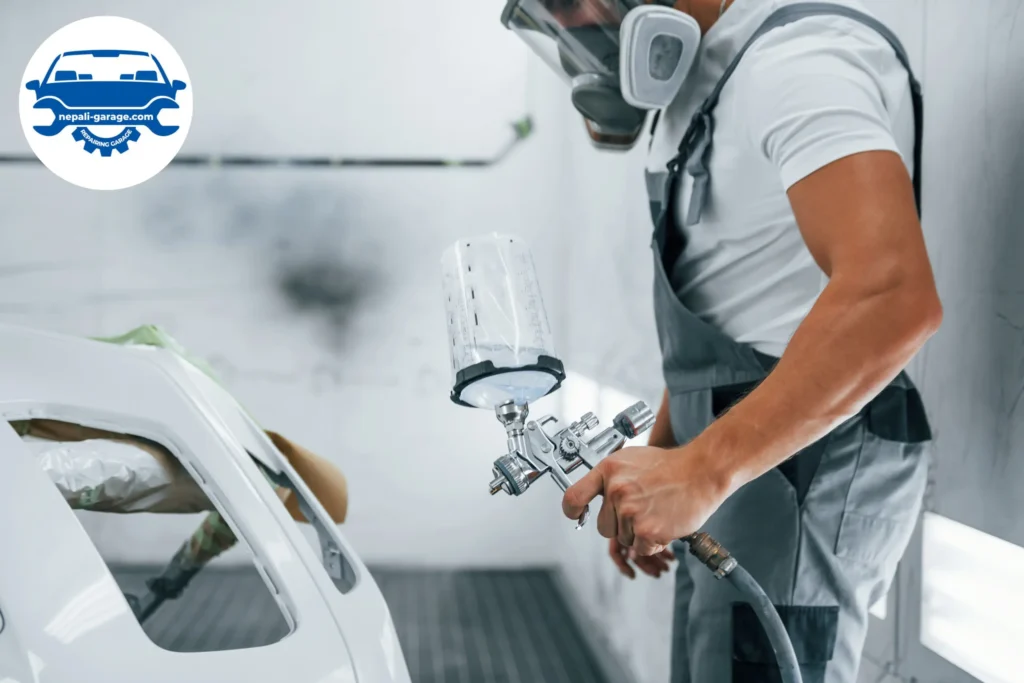
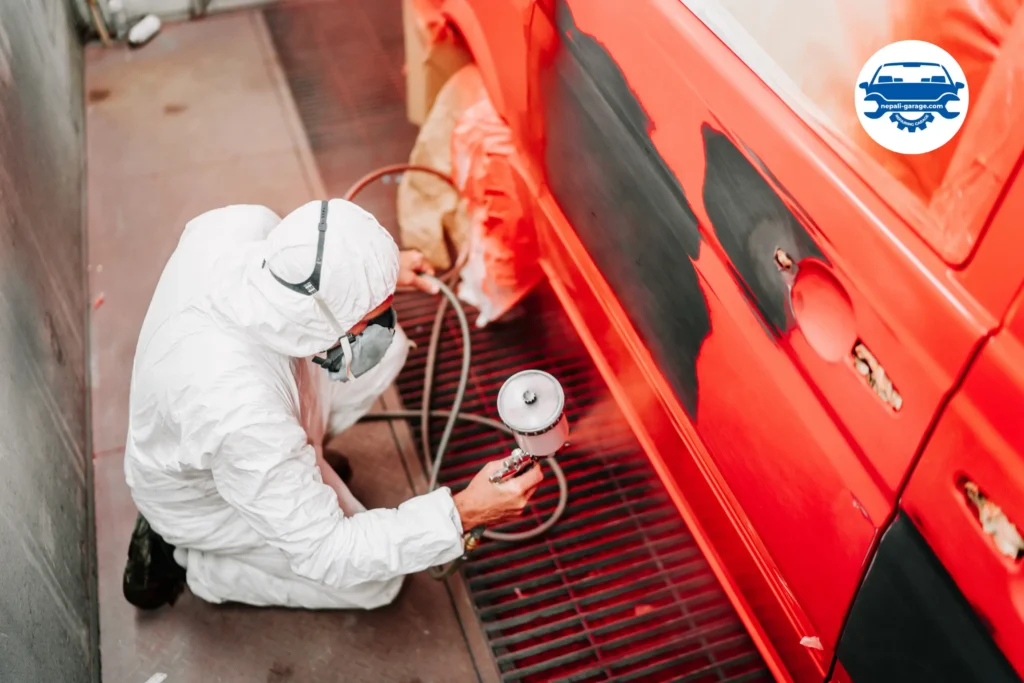
Mechanic is painting car in garage
Uncategorized

How Professional Denting and Painting Services Can Make Your Car Look Brand New

If you’ve lived in the UAE long enough, you know how the desert sun, busy highways, and tight parking spaces can take a toll on your car’s appearance. One small scratch turns into a patch of faded paint. A parking lot bump leaves a dent you promise to “fix later.” Before you know it, your once-sleek car looks tired and weathered. The good news? With professional denting and car painting services, you can restore that showroom shine, often more affordably and effectively than you might think. Why Appearance Matters More Than You Realize A car’s exterior isn’t just about looks; it’s its first line of defense. Paint protects metal surfaces from oxidation, moisture, and salt in the air (especially near coastal areas like Sharjah). When paint cracks or chips, it exposes the metal beneath, leading to rust that spreads silently. According to the Automotive Maintenance Council and the UAE’s RTA car safety standards, regular inspection of dents and scratches isn’t cosmetic fuss; it’s preventive maintenance. That’s why places like Nepali Car Garage Sharjah emphasize not just repainting but restoring your vehicle’s integrity from the inside out. Step 1: The Art and Science of Dent Repair Modern dentistry is a mix of precision and craftsmanship. Whether it’s a shallow ding from a parking pole or a deeper crease from a low-speed impact, trained technicians first assess the metal’s elasticity and depth of deformation.There are generally two techniques used: Paintless Dent Repair (PDR): Ideal for minor dents where the paint isn’t damaged. The technician uses specialized tools from behind the panel to gently massage the dent back into shape, no fillers or repainting required. Traditional Dent Repair: For deeper or cracked areas, technicians sand, fill, and shape the surface to perfection before painting. At Nepali Car Garage Sharjah, the team takes the time to ensure that every curve and contour matches factory specifications, a level of precision that DIY fixes or quick roadside repairs simply can’t achieve. Step 2: Car Painting That Lasts in UAE Conditions Here’s where the real transformation happens. The UAE’s harsh sunlight, high temperatures, and occasional sandstorms can dull car paint faster than in cooler climates. Professional car painting services use advanced, heat-resistant coatings that are tested for durability in desert environments. A full repaint typically involves: Surface Preparation: Removing dust, oxidation, and old paint layers. Priming: Applying an adhesive base coat that protects against rust and improves color bonding. Color Matching: Using computer-assisted technology to perfectly match your car’s original shade. Painting: Applying multiple even layers with high-precision spray systems. Clear Coating: Adding a protective, glossy finish that shields against UV rays and scratches. Good paintwork shouldn’t just look shiny, it should stay shiny. Reputable garages, including Nepali Car Garage Sharjah, use professional-grade materials from trusted brands recommended by vehicle manufacturers. Small Imperfections, Big Differences Think of paint and dent repair like skincare for your car. Tiny chips, even those barely visible, can become entry points for rust or water damage. According to AAA Auto Services, corrosion can start forming within weeks if exposed metal isn’t treated. Regularly checking your vehicle’s panels, especially around wheel wells and door edges, can help catch problems early. If you’re planning to sell your car in the future, well-maintained bodywork can increase resale value significantly. A clean exterior tells buyers the vehicle has been cared for inside and out. DIY vs. Professional Care: What’s Worth It? While small touch-up kits may work for minor paint scratches, major denting or repainting should always be left to professionals. The difference lies in the tools, materials, and environment. Certified garages use controlled spray booths to prevent dust contamination and ensure even drying, something home repairs can’t replicate.It’s a bit like trying to repaint a room without tape or ventilation, technically possible, but the results will never match professional standards. When to Visit a Garage Here are a few signs it’s time to schedule a check-up: You notice bubbling or peeling paint Dents are visible even under sunlight reflection Rust spots start forming around damaged areas Color fading due to prolonged sun exposure At that point, booking an appointment with a trusted provider like Nepali Car Garage Sharjah is the best step. Their experts can inspect, quote, and repair efficiently while explaining the process in clear, simple terms. The Takeaway: Care Beyond the Cosmetic Professional car painting services aren’t just about aesthetics; they’re about preservation, performance, and pride. A well-maintained car not only looks brand new but also resists environmental wear and holds its value longer. Next time you spot a dent or dull patch, don’t brush it off. Consider it an opportunity to restore your car’s strength and style. A quick visit to Nepali Car Garage Sharjah could be the difference between a vehicle that merely drives and one that truly shines, even under the toughest UAE sun.

Uncategorized

Best Air Conditioning Maintenance Tips for UAE Cars

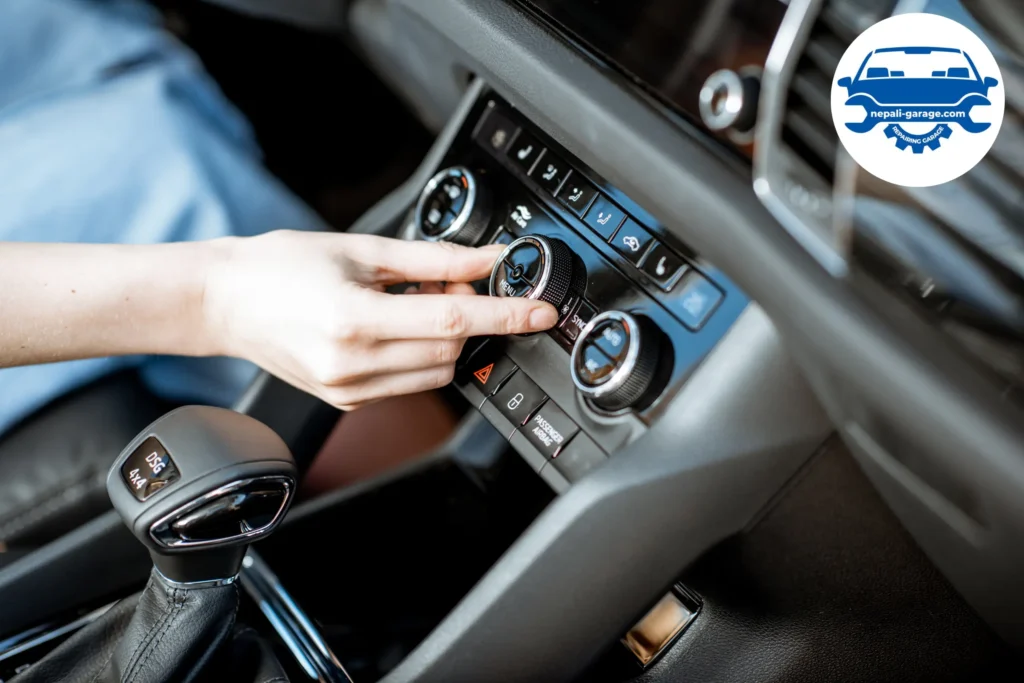
Driving in the UAE is rarely a breeze, especially when the temperature soars above 45°C. Yet, your car’s air conditioning is your faithful companion through the summer. When it falters, even a short drive feels like a sauna. That’s why maintaining your AC system properly is not just a luxury; it’s essential. Whether you zip between Sharjah and Dubai or navigate city traffic, here are expert-backed maintenance tips to keep your car’s AC in top shape. 1. Run the AC Regularly It may sound counterintuitive, but one of the best ways to preserve your AC system is to run it regularly, even in the cooler months. According to experienced mechanics, turning on your AC for about 10–15 minutes every week prevents the compressor seals from drying out, reducing the risk of leaks and maintaining optimal lubrication. If your car sits idle for long periods, especially overnight or in winter, this simple habit helps keep your system primed and ready for the next hot day. 2. Check and Re-Gas the Refrigerant The refrigerant (also called AC gas) is vital for cooling, and its levels can drop over time due to gradual leaks or system loss. In the UAE’s intense heat, even a modest drop in refrigerant can significantly diminish cooling efficiency. It’s wise to schedule regular refrigerant checks, ideally every year or two, depending on the manufacturer’s recommendation. During a service, a trusted auto repair shop (such as Nepali Car Garage Sharjah or Nepali Auto Repair Sharjah) can detect leaks, repair them, and recharge your system to the right pressure. 3. Replace the Cabin Air Filter Frequently In the UAE, fine sand and dust easily invade your car’s ventilation system. Over time, these particles clog the cabin air filter, reducing airflow and making your AC work harder. Check your filter every 10,000–15,000 km, or more often if you drive through dusty areas. When the filter is clogged, your AC’s cooling capacity drops, and strain increases on internal components. 4. Use Recirculation Mode Smartly The “recirculate” or “recirc” mode on your AC system sends cooled air back into the cabin instead of pulling hot air from outside. This helps your AC work more efficiently and cool your car more quickly in scorching weather. When driving in heavy traffic or during long idling phases, recirculation can reduce stress on the compressor. Just remember to switch back to fresh-air mode periodically to avoid stale or humid cabin air. 5. Avoid Long Pre-Cooling Before Driving Many drivers idle the car with the AC running before driving, thinking it cools the interior better. But mechanics warn that this habit can be counterproductive. Instead, they recommend driving off within a minute or two, with windows down initially to let out trapped hot air. This technique helps the AC system settle more efficiently and reduces the engine load tied to long idle sessions. 6. Keep the Condenser Clean Your AC condenser (usually in front of the radiator) releases heat from the system, but dust, sand, and debris can block its fins and reduce its effectiveness. It’s worth having a professional mechanic gently clean the condenser during your routine maintenance. At places like Nepali Car Garage Sharjah, skilled technicians can remove accumulated grit without damaging delicate components. 7. Watch for Early Warning Signs Pay attention to cues that something may be wrong. Signs like warm air blowing instead of cold, unusual noises, or musty smells could signal an issue, possibly a leaking line, low refrigerant, or a failing compressor. When you catch these early, professional home-or-garage service becomes preventive maintenance rather than emergency repair. 8. Use Shade and Sun Protection When possible, park in the shade or use sunshades. This simple step reduces cabin heat buildup and lessens AC work when you start driving. Lighter interior colors or UV-reflective window tints can also help. Reducing the initial heat load makes your AC system more efficient and can extend its lifespan. 9. Choose a Professional & Trusted Garage For thorough AC checks, leak detection, or system re-gassing, trust reputable local services. Nepali Car Garage Sharjah (also known as Nepali Auto Repair Sharjah) is a great example; they specialize in diagnostics, AC servicing, and reliable maintenance. Their certified mechanics use the right tools to diagnose leaks, measure refrigerant levels, and clean crucial components, ensuring your AC performs at its best, especially during the harsh summer months. Final Takeaway In the UAE’s extreme environment, your car’s AC system isn’t just a comfort feature; it’s essential for safe, enjoyable driving. By running your AC regularly, keeping refrigerant levels topped up, changing filters, and using your settings wisely, you can dramatically increase its lifespan and performance.Don’t wait for breakdowns. Bring your car to a trusted provider like Nepali Auto Repair Sharjah, where professional service and thorough diagnostics can keep your AC running cool. A little preventive upkeep today can save you headaches and expensive repairs tomorrow.

Car Body Polishing by mechanic in garage
Uncategorized

Top 5 Signs Your Car Needs Polishing (Before It’s Too Late)

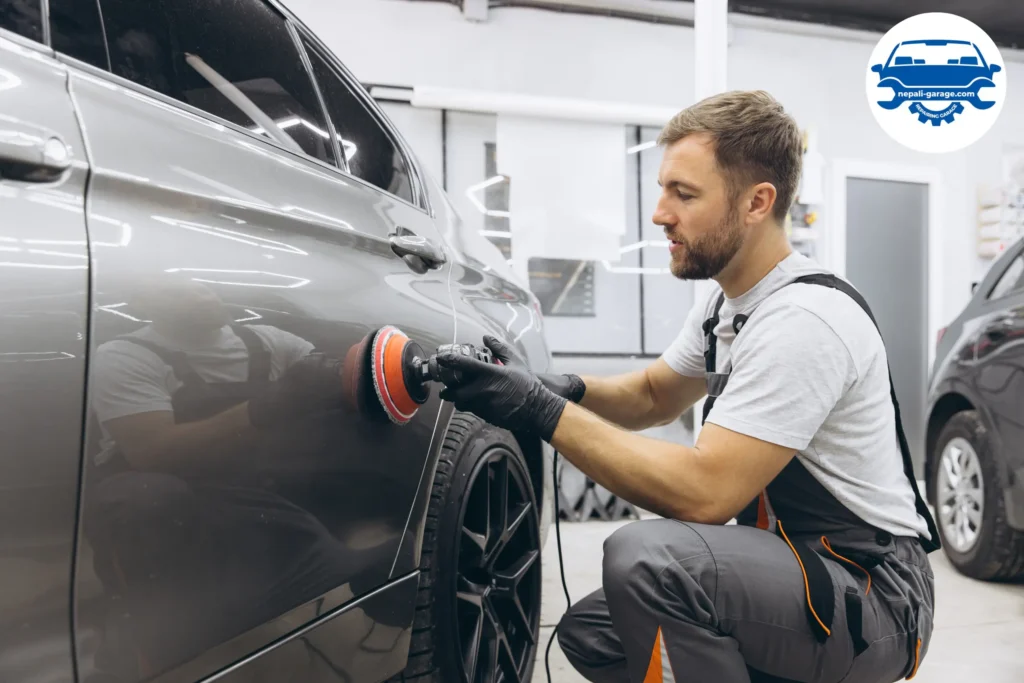
If you live in the UAE, you’ve probably noticed how fast a car can lose its shine. Between the blazing sun, blowing sand, and hours spent in traffic, your vehicle’s once-glossy paint can start to look dull in just a few months. It’s a common story in Sharjah, even the most cared-for car eventually shows signs of wear. That’s why car polishing services aren’t just for car enthusiasts or luxury vehicles. They’re an essential part of keeping your car looking sharp and protecting it from long-term paint damage. At Nepali Garage Sharjah, we see it all the time: car owners bring their vehicles in only when the paint already looks lifeless or uneven. But the truth is, polishing at the right time can save you from costlier repairs later on. So how do you know it’s time for a polish? Here are the top 5 signs your car is calling for some attention. 1. Your Car’s Paint Looks Dull or Cloudy That deep, glossy finish you once loved is fading, and washing doesn’t seem to help. This dullness is a result of oxidation, which happens when your car’s clear coat (the outermost layer of paint) breaks down due to UV exposure. In Sharjah’s harsh sunlight, oxidation happens faster than you might think. If your car no longer reflects light cleanly, that’s your cue to book a polishing session. At Nepali Auto Repair Garage Sharjah, our technicians use professional-grade polishers and compounds to gently remove the oxidized layer, restoring a mirror-smooth shine without damaging the paint. Pro tip: Don’t wait until your car turns chalky; polishing early can extend your paint’s lifespan by years. 2. You Notice Swirl Marks or Fine Scratches Those faint, circular lines you see under sunlight? They’re called swirl marks, and they often come from improper washing or using rough cloths. Over time, these fine scratches scatter light unevenly, making your car look older and less cared for. If you run your hand over the surface and it feels slightly rough or uneven, polishing can make a world of difference. At Nepali Garage Sharjah, we use dual-action polishers that smooth out these micro-scratches and restore the uniform gloss of your paint. It’s a safe, controlled process that corrects imperfections without stripping too much of the clear coat. Tip: Always wash your car with a microfiber mitt and a pH-balanced shampoo to reduce the chances of swirl marks returning. 3. The Color Looks Faded (Especially on the Roof and Bonnet) Have you noticed your car’s roof or hood looks lighter than the sides? That’s sun fading, a common problem in the UAE’s extreme heat. Constant exposure to UV rays breaks down the paint pigment, especially on horizontal surfaces where sunlight hits directly. Once fading begins, regular washing or waxing won’t help much. Professional polishing, however, can often restore the original depth of color by removing the damaged top layer and revealing the healthy paint underneath. Our car polishing services at Nepali Garage Sharjah are designed to revive faded paint, especially for colors like red, blue, or black that tend to oxidize faster. After polishing, we apply a UV-resistant wax or sealant to slow down future fading. 4. You See Water Spots or Stains That Won’t Wash Off Sharjah’s tap water has high mineral content, and when droplets dry on your car, they can leave stubborn white rings called water spots. Add bird droppings, tree sap, or fuel stains to the mix, and you get patches that don’t wash off easily. If you’ve scrubbed and still see marks, polishing might be the only solution. A professional polish can safely remove these bonded contaminants and even out the surface again. At Nepali Auto Repair Garage Sharjah, our detailers use clay treatment and gentle polishing compounds to remove stubborn deposits without harming the paint. Practical tip: Always dry your car completely after washing; leaving it to air-dry in the sun is what causes most water stains in the first place. 5. Wax or Ceramic Coating No Longer Lasts If you’ve noticed your wax or ceramic coating isn’t holding up, water doesn’t bead off the surface anymore, or the shine fades within weeks, that’s a sign your clear coat is no longer smooth enough. Polishing restores the paint’s smooth texture, allowing new protective coatings to bond properly. Skipping this step means you’ll keep reapplying wax without seeing results. A quick polishing session every 6–8 months can make your protection last two to three times longer. At Nepali Garage Sharjah, our experts carefully assess the paint condition before polishing. We don’t over-polish, we polish smart. That’s the difference between a short-term shine and long-lasting protection. Why Timely Polishing Matters Neglecting these signs can lead to permanent paint damage. Once oxidation or fading goes too deep, polishing alone might not restore the finish; you might need repainting instead, which costs much more. Regular polishing acts like a skin-care routine for your car. It gently removes dead, damaged layers and keeps the healthy surface protected. In UAE conditions, it’s a small investment that pays off by maintaining both beauty and value. RTA Sharjah guidelines emphasize maintaining your car’s appearance as part of overall road safety: visibility, reflectivity, and paint protection all play a role in safe driving. It’s not just about aesthetics; it’s about preservation. The Takeaway If your car’s paint has lost its luster, the good news is it’s not too late. Catch the early signs, act fast, and trust professionals who understand the UAE’s environment and paint systems. At Nepali Auto Repair Garage Sharjah, we treat every car like our own, combining modern polishing tools with years of hands-on expertise. Whether you drive a compact sedan or a luxury SUV, our car polishing services will restore your car’s original glow and protect it from the challenges of desert driving. Don’t wait for the damage to pile up; let your car shine again. Visit Nepali Garage Sharjah today and give your vehicle the finish it truly deserves.

Uncategorized

How Often Should You Change Engine Oil in UAE?

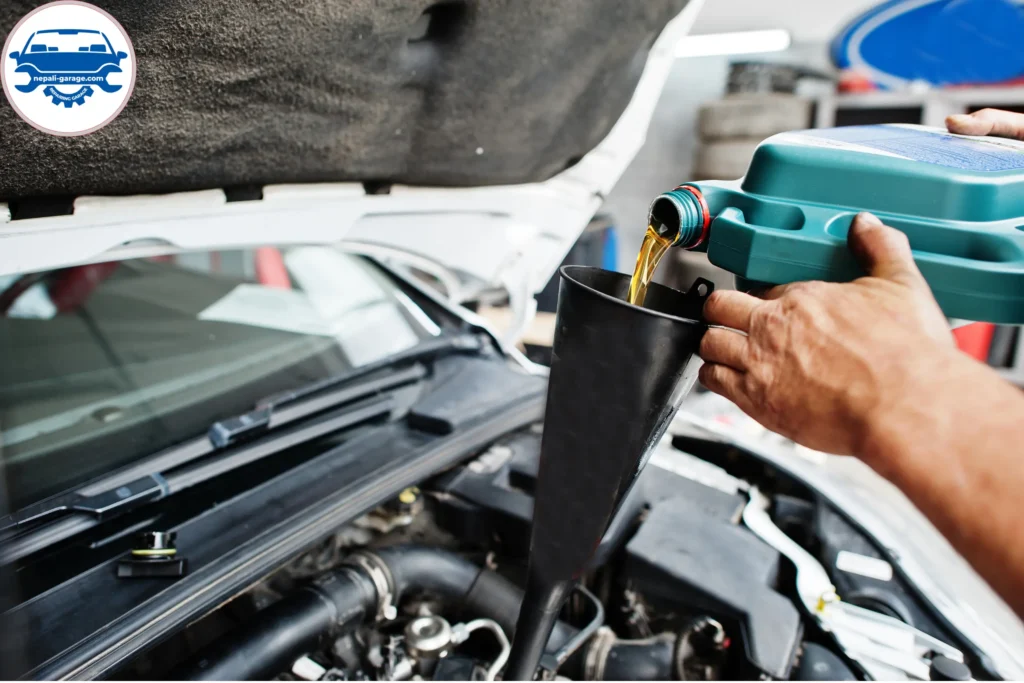
If you’ve driven in the UAE for a while, you already know the struggle, the intense desert heat, long daily commutes, and constant stop-and-go traffic can make even new cars feel overworked. One of the simplest but most crucial things you can do to protect your car from that strain is to change the engine oil regularly. But how often should you actually do it? Every 5,000 kilometers? Every three months? Or just when the dashboard light comes on? The truth isn’t one-size-fits-all; it depends on your driving habits, car type, and, importantly, the harsh UAE climate. Let’s break it down so you can keep your engine running smoothly and avoid costly repairs. A quick visit to a trusted auto repair Sharjah center can help you get the right guidance based on your specific car and usage. Why Engine Oil Matters More in the UAE Engine oil is your car’s lifeblood. It lubricates moving parts, reduces friction, and helps dissipate heat. In normal conditions, it works quietly in the background until it doesn’t. In the UAE’s extreme temperatures, oil breaks down faster. When you drive in 45°C heat, the engine runs hotter, and the oil oxidizes more quickly. Dust and sand can also sneak into the system, contaminating the oil and reducing its protective quality. That’s why mechanics at the best car garage in Sharjah often recommend more frequent oil changes here than what manufacturers suggest for cooler climates. Most global car manuals assume moderate weather conditions, not daily exposure to desert heat and humidity. So, if your owner’s manual says “change oil every 10,000 km,” in the UAE, it’s safer to do it every 5,000–7,000 km. Signs That Your Engine Oil Needs Changing Even if you lose track of mileage, your car gives clues that it’s time for an oil change. Watch out for these: Dark, dirty oil: Fresh oil is amber and translucent. As it collects dirt and combustion residue, it darkens. Increased engine noise: Dirty or low oil means more friction; you might hear a ticking or knocking sound. Oil change light: Don’t ignore the dashboard reminder, it’s your car’s way of calling for help. Exhaust smoke: Blue or gray smoke can mean the oil is burning or leaking. Reduced fuel efficiency: Old oil makes the engine work harder, using more fuel. If you notice any of these, don’t wait for your next scheduled service; visit a nearby auto repair Sharjah workshop for a quick inspection. Choosing the Right Oil for UAE Conditions Not all oils are equal, and in hot climates, your choice matters more than ever. Here’s what to look for: Viscosity: This measures how thick or thin the oil is. For the UAE, a 10W-40 or 5W-40 grade is typically recommended, depending on your car model. The “W” stands for winter, but in our case, the second number (the higher one) indicates better protection against high temperatures. Synthetic vs. Conventional: Synthetic oils handle heat better, last longer, and provide superior protection. While they cost more upfront, they can extend your engine’s life. Manufacturer’s recommendation: Always check your car manual or ask a technician at the best car garage in Sharjah which oil brand and grade best suit your engine type. Driving Habits That Affect Oil Life Your driving style directly affects how quickly oil degrades. For example: Short trips: Frequent short drives don’t let the engine reach optimal temperature, leading to faster oil contamination. Long idling: Heavy traffic and long waits with the AC running can overheat the engine oil. Dusty roads: Driving near construction areas or in desert regions introduces more debris into the system. If any of these sound like your daily routine, stick to a shorter oil-change interval, around every 5,000 km, and have your filters checked frequently. The Cost of Neglecting Oil Changes Skipping oil changes might seem harmless at first, but the damage accumulates silently. Over time, sludge builds up inside the engine, blocking vital oil passages. This leads to increased friction, overheating, and eventually, engine failure. What might have been a 200 AED oil change can turn into a 5,000 AED engine repair. Mechanics at reputable auto repair Sharjah centers often say that most major engine failures they see could have been prevented by timely oil changes. The Importance of Professional Oil Changes While changing oil at home is possible, professional servicing ensures more than just fresh oil. A garage visit typically includes: Full fluid top-up and leak inspection Oil filter replacement Visual engine check for wear or corrosion Digital reset of the service interval indicator Professionals also properly dispose of old oil, protecting the environment. Visiting the best car garage in Sharjah ensures that you get high-quality oil, certified filters, and the peace of mind that your car is cared for by trained technicians. Final Thoughts: Treat Your Engine Like It Treats You Your car’s engine takes the brunt of the UAE’s climate every single day; the least you can do is keep its oil fresh and clean. A timely oil change isn’t just about maintenance; it’s about protecting your investment and ensuring your car performs at its best for years. Before your next long drive or service milestone, schedule a quick visit to your trusted auto repair Sharjah center. The experts at the best car garage in Sharjah can recommend the right oil, check your filters, and keep your engine cool and efficient, even under the UAE’s harshest conditions. Takeaway: In the UAE, change your oil every 5,000–7,000 km for optimal performance. When in doubt, check the oil’s color, listen to your engine, and never skip a service appointment. A little preventive care today can save you from big repair bills tomorrow.

Uncategorized

Are Your Car Brakes Failing? Here’s What Dubai Drivers Should Know

It happens suddenly, you’re driving along Sheikh Zayed Road or cutting through Sharjah traffic when the brake pedal feels softer than usual. You press again, and the car takes longer to slow down. It’s a tense moment every UAE driver dreads. With long commutes, high temperatures, and fast-moving traffic, your car’s braking system works harder here than almost anywhere else. Before panic sets in, remember this: brake problems rarely appear overnight. They usually start small: a faint squeal, a bit of vibration, or an odd smell after heavy braking. Spotting these early signs and acting fast is key. That’s where reliable auto repair shops in Sharjah can help, ensuring your brakes stay strong and your drives stay safe. Why Brake Health Matters More in Dubai’s Conditions Dubai’s combination of heat, humidity, and stop-and-go traffic creates perfect stress conditions for braking systems. The constant friction between the brake pads and rotors generates high temperatures, which can cause brake fluid to overheat or fade. Add dust, sand, and frequent short drives, and your brakes endure serious wear. According to the UAE’s Roads and Transport Authority (RTA), regular brake checks are one of the top safety priorities for all vehicles. Yet many drivers delay maintenance until something feels wrong, often when it’s already too late. Recognizing the Warning Signs of Brake Failure Your car gives clues long before the brakes completely fail. Here’s what to watch for:Squeaking or Grinding Noises:A squeal usually means your brake pads are wearing down. Grinding indicates metal-to-metal contact, a serious sign that requires immediate attention. Vibrations When Braking:Warped brake rotors can cause your steering wheel or pedal to shake when you press the brakes. This often happens from prolonged braking on steep roads or overheating. Soft or Spongy Pedal:If the brake pedal feels unusually soft or sinks lower than normal, air or moisture may be in the brake lines. It’s unsafe to drive like this. Search for car repair shops near me and get your car inspected immediately near your local auto repair shop. Pulling to One Side:If your car drifts left or right while braking, it may signal uneven brake pad wear or a hydraulic imbalance. Burning Smell After Braking:Overheated brakes emit a sharp, chemical odor. Stop driving immediately and let them cool down; continuing can damage the rotors and fluid. Understanding the Emergency Brakes in CarMany drivers treat the handbrake (or parking brake) as something you use only when parked, but the emergency brakes in car serve a vital backup purpose. If your main hydraulic brakes fail, the emergency brake provides mechanical stopping power. However, like the main system, it also requires regular maintenance. Dust and corrosion can cause cables to seize or weaken over time. During servicing, ask your technician to check the tension and lubricate the components so the emergency brake can respond instantly when needed. How Heat and Driving Habits Affect Your Brakes The UAE’s high temperatures and heavy traffic create a unique environment for wear and tear. Every time you brake, friction converts kinetic energy into heat, and in hot weather, that heat doesn’t dissipate easily. Prolonged exposure can lead to: Brake fade: Reduced stopping power when fluid or pads overheat. Warped rotors: Uneven cooling causes metal surfaces to deform. Cracked pads: The intense heat can make pads brittle and noisy. Simple habits like keeping a safe following distance, avoiding constant braking on highways, and shifting to a lower gear on slopes can extend your brake life dramatically. When to Service Your Brakes As a general rule, brakes should be checked every 10,000–15,000 km, but more frequent inspections are smart if you often drive in traffic or on long highway routes. During a professional inspection at one of the auto repair shops in Sharjah, mechanics will: Inspect brake pads, rotors, and calipers for wear. Check and replace brake fluid if it appears dark or contaminated. Clean and lubricate components to prevent corrosion. Test both the main and emergency brakes in the car for balanced stopping. If replacements are needed, always choose high-quality, heat-resistant brake pads designed for the Middle Eastern climate. Why Professional Brake Service Matters Some drivers attempt to replace brake pads themselves, but braking systems today are complex. They include sensors, electronic control modules, and hydraulic circuits that need professional calibration. Visiting certified car repair shops near me ensures your entire system is inspected, not just the parts you can see. Mechanics can spot fluid leaks, ABS sensor faults, or master cylinder wear before they turn into expensive failures. In Sharjah, many workshops offer free brake inspections or package deals that include tire checks, fluid top-ups, and general safety assessments, a smart investment for peace of mind. Final Thoughts: Don’t Wait for the Warning Light When it comes to brakes, hesitation is dangerous. Those squeaks, soft pedals, or burning smells are your car’s way of saying, “Help me before it’s too late.” Dubai’s roads demand reliability, and keeping your brakes in top shape means protecting yourself, your passengers, and others on the road.So before your next long drive or daily commute, schedule a quick visit to trusted auto repair shops in Sharjah. Let the experts check your braking system, including the emergency brakes in your car, and fix small issues before they become costly or risky. Takeaway: Safe driving starts with responsive brakes. Don’t ignore the signs. Get your car emergency brake checked today at reliable car repair shop near you and drive confidently, knowing your car will stop exactly when it needs to. 

Uncategorized

Top 10 Car Maintenance Tips for UAE Drivers in Extreme Heat

If you’ve ever stepped into your car after it’s been parked outside in July, you know how unforgiving UAE summers can be. The scorching temperatures don’t just affect your comfort; they put serious strain on your vehicle’s engine, tires, battery, and air conditioning. That’s why many residents turn to trusted local workshops, like a Nepali Garage in Sharjah, for preventive care and peace of mind. So how do you protect your car from extreme heat while ensuring safety and performance? Let’s break down ten practical tips every UAE driver should follow. 1. Keep an Eye on Engine Coolant Your coolant system is your car’s frontline defense against overheating. Always make sure coolant levels are topped up and the mixture of antifreeze and water is correct. According to the UAE’s Roads and Transport Authority (RTA), low coolant is one of the most common reasons cars break down in summer traffic. 2. Check Your Battery Frequently High heat accelerates fluid evaporation inside the battery, which shortens its lifespan. If your car is more than two years old, get the battery tested before the hottest months arrive. A quick check at a Nepali Garage in Sharjah can save you from being stranded with a dead battery in midday heat. 3. Maintain Proper Tire Pressure Hot pavement and underinflated tires are a dangerous combination. Tires expand in heat, and incorrect pressure can lead to blowouts. The AAA recommends checking tire pressure at least once a month, preferably in the morning when the car is cool. 4. Don’t Ignore the Air Conditioning System Your AC isn’t just about comfort, it’s about safety, too. A failing AC system can cause fatigue during long drives. Have your refrigerant levels checked annually, and clean or replace cabin filters for optimal airflow. 5. Inspect Belts and Hoses Rubber components like belts and hoses are prone to cracking in extreme heat. A broken serpentine belt can disable your alternator, power steering, and AC all at once. That’s why mechanics often recommend a visual inspection every 10,000 km. 6. Choose the Right Engine Oil Engine oil thins faster in extreme temperatures, which reduces its protective qualities. Using the manufacturer-recommended viscosity grade is crucial. Many garages in Sharjah advise switching to high-temperature-resistant oil during peak summer. 7. Protect Your Paint and Interior Direct sun exposure fades paint and cracks dashboards. Parking in shaded areas, using a windshield sunshade, and applying protective wax can help preserve both exterior and interior. This isn’t just cosmetic; it maintains your car’s resale value. 8. Test Your Brakes Heat buildup can affect brake fluid and wear down pads faster. If you notice squeaking, vibration, or reduced stopping power, don’t delay an inspection. A mid-season brake check at a Nepali Garage in Sharjah can prevent costly accidents. 9. Keep Emergency Supplies in the Car Breakdowns happen, even with preventive care. Always keep water, a basic toolkit, jumper cables, and a phone charger in your car. In desert conditions, being prepared isn’t optional; it’s essential. 10. Follow a Regular Service Schedule Skipping routine servicing is like skipping doctor checkups; it might seem harmless until a problem escalates. Whether it’s oil changes, filter replacements, or tire rotations, staying consistent keeps your car in top form all year round. Final Thoughts Extreme heat is part of life in the UAE, but car trouble doesn’t have to be. By following these ten tips, you can protect your vehicle, reduce repair costs, and drive with confidence. And when professional help is needed, a trusted Nepali Garage Sharjah can provide the skilled care and local know-how to keep your car running smoothly through the toughest months. Takeaway: Don’t wait for a breakdown to remind you of car maintenance. Schedule a pre-summer inspection now, and give your car the resilience it needs to handle the UAE’s hottest days.

Scroll to Top