
If you’ve driven along Maliha Road, crossed the dips near Al Qusais, or taken that late-night trip on Emirates Road, you’ve probably noticed something: dust is everywhere. It settles on your windshield, clogs your AC vents, and somehow even sneaks into the trunk. And with Dubai’s open desert pockets and Sharjah’s busy industrial routes, dust becomes more than an annoyance; it becomes a real threat to your vehicle’s health. So the question most UAE drivers secretly ask is this: “How do I keep my car in good condition when every road feels like a sandpit?”
As someone who has spent years around engines, filters, and frustrated car owners, I can tell you this: dust-related damage is preventable, if you know what to look for. Below are practical, mechanic-approved hacks to keep your car running smooth despite the dusty conditions.
1. Clean and Replace Your Air Filter More Often Than You Think
If there’s one part that suffers the most in Dubai and Sharjah, it’s the engine air filter. Normally, manufacturers suggest cleaning or replacing it every 15,000–20,000 km. But in real UAE conditions? Check every 5,000–7,000 km. Clean when dirty. Replace when clogged.
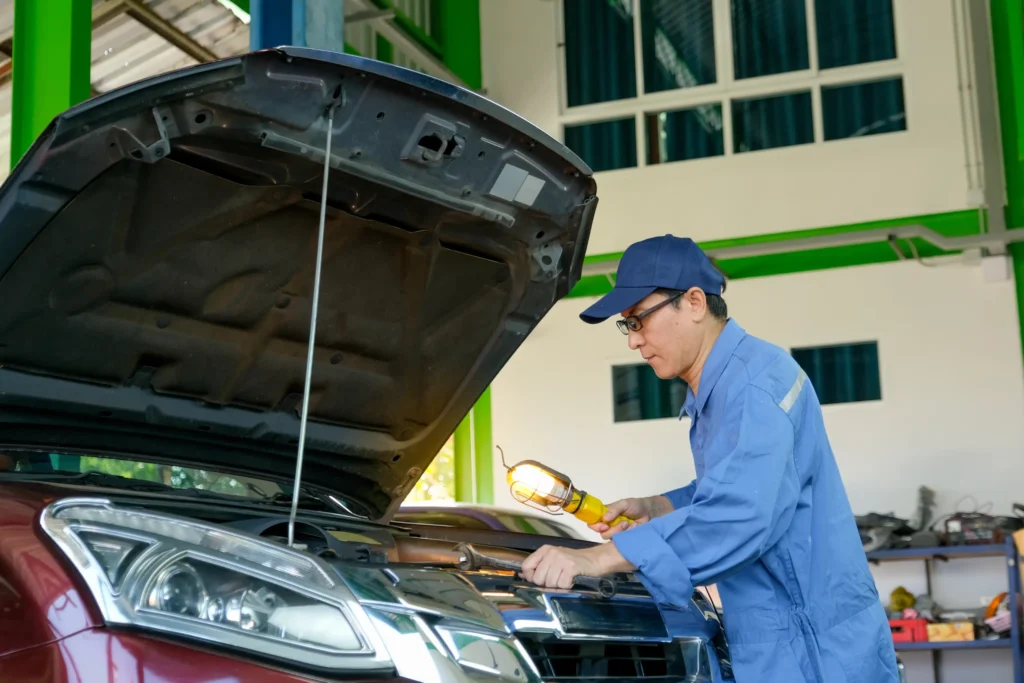
A choked filter reduces acceleration, fuel efficiency, and air intake. Some drivers think their car is “getting old” when the real problem is just a dusty filter. If you don’t want to deal with it yourself, a quick stop at a trusted workshop, such as a Nepali Garage Sharjah, can get it cleaned or replaced in minutes.
2. Wash Your Car More Frequently – But the Right Way
Driving through dusty roads means the dust turns into a fine abrasive layer on your paint. When mixed with humidity or morning dew, it can scratch your vehicle even when you wipe gently with a cloth.
Here’s what works best:
- Rinse, don’t wipe dust off the paint.
- Use pH-balanced car shampoo (cheap shampoos damage the clear coat).
- Choose a pressure wash for undercarriage cleaning, sand hides there.
- Wax your car every 6–8 weeks to create a protective barrier.
The difference between a car washed correctly and a car wiped dry on a dusty day is years of paint life.
3. Keep Your Cabin Filter Fresh to Protect Your AC System
In the UAE, AC is life. But dusty roads can block cabin filters quickly, reducing cooling efficiency and increasing allergen levels inside the cabin.
A practical rule: Change every 10,000 km, or sooner if airflow feels weak. A good AC checkup at a professional place like Nepali Auto Garage Sharjah will also remove accumulated sand around the blower motor, something many car owners don’t realize is happening until the noise starts.
4. Inspect Fluids More Often, Dust Accelerates Wear
Dust and sand can seep into areas you’d never expect. That’s why frequent fluid checks make a big difference, especially:
- Engine oil
- Brake fluid
- Transmission fluid
- Coolant
If you drive on dusty routes daily, oil breaks down faster because the engine works harder. A slightly early oil change, say at 8,000 km instead of 10,000 km, can prevent wear and overheating.
And no, this isn’t just a “mechanic selling service.” It’s something you’ll find echoed in multiple manufacturer manuals for “severe driving conditions.”
5. Protect Your Engine Bay From Dust Accumulation
Most drivers ignore the engine bay until something goes wrong. But dust buildup around sensors, wiring, and air intake points can cause:
- Poor idling
- Check-engine lights
- Sensor malfunction
- Reduced cooling efficiency
- A gentle engine-bay cleaning with compressed air is usually enough. Avoid water unless done by a professional garage.
If you’re unsure, a quick inspection at a reliable workshop such as Nepali Garage Sharjah can save you from electrical headaches later.
6. Check Tyre Pressure More Frequently in Dusty Desert Conditions
Dusty roads often mean uneven surfaces and tiny debris. This can cause:
- Slow punctures
- Rapid tyre wear
- Reduced handling
RTA recommends checking tyre pressure every two weeks, but if you frequently use sandy or dusty roads, weekly checks are far safer.
Also consider: Using all-terrain or sand-friendly tyres if you travel off-road often. Keeping a portable tyre inflator in your trunk. One quick pressure check can save you from a roadside breakdown under a blazing UAE afternoon sun.
7. Seal the Small Openings, Dust Creeps Everywhere
You’d be surprised how much dust enters through:
- Door rubber seals
- Boot seals
- Sunroof edges
- AC vents
If you see dust trails on your dashboard or seats, your seals might be drying or cracking.
A silicone-based rubber conditioner every 2–3 months keeps the seals flexible and dust-tight. A small fix, but a big difference in interior cleanliness.
8. Don’t Ignore Warning Lights, Dust Interferes With Sensors
Dust can clog Mass Air Flow sensors, wheel-speed sensors, and even affect ABS systems. If a warning light pops up after a dusty drive, it might not be a serious failure, just a sensor that needs a cleaning.
Still, don’t guess. A diagnostic scan at a workshop like Nepali Auto Garage Sharjah can pinpoint the issue within minutes and save you from replacing unnecessary parts.
Final Takeaway
Driving in Dubai and Sharjah will always come with dust, sand, and harsh heat, but maintaining your car doesn’t have to feel overwhelming. A few preventive steps, like regular filter checks, proper washing, tyre maintenance, and keeping sensors clean, can dramatically extend your car’s life.
And when something feels off, a quick visit to a trusted workshop such as Nepali Garage Sharjah can help you stay ahead of problems before they turn costly.
Your car is your everyday companion in the UAE. With the right care, it’ll handle the dusty roads like a champ.