If you’ve driven in the UAE for a while, you already know the struggle, the intense desert heat, long daily commutes, and constant stop-and-go traffic can make even new cars feel overworked. One of the simplest but most crucial things you can do to protect your car from that strain is to change the engine oil regularly.
But how often should you actually do it? Every 5,000 kilometers? Every three months? Or just when the dashboard light comes on? The truth isn’t one-size-fits-all; it depends on your driving habits, car type, and, importantly, the harsh UAE climate. Let’s break it down so you can keep your engine running smoothly and avoid costly repairs. A quick visit to a trusted auto repair Sharjah center can help you get the right guidance based on your specific car and usage.
Why Engine Oil Matters More in the UAE
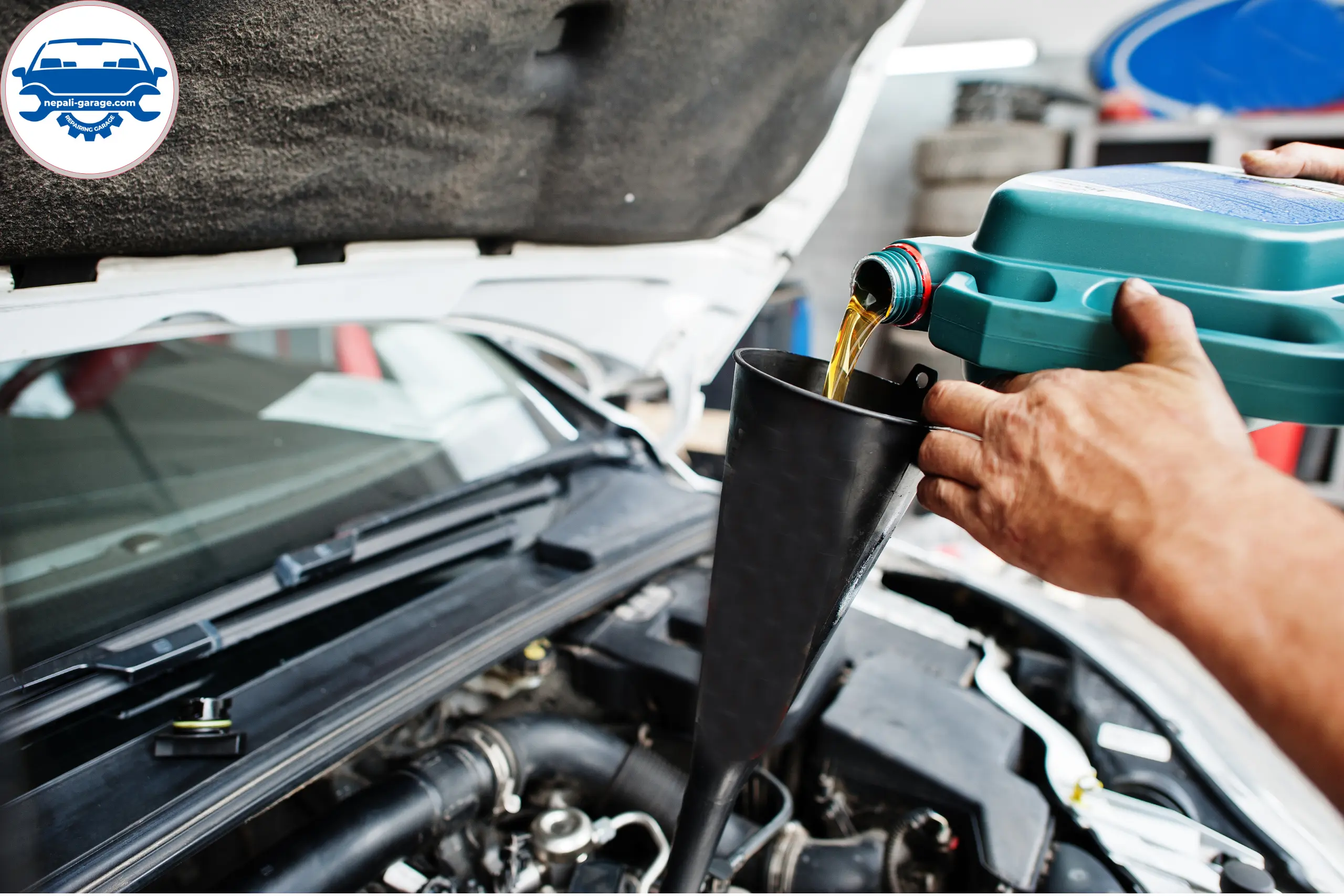
Engine oil is your car’s lifeblood. It lubricates moving parts, reduces friction, and helps dissipate heat. In normal conditions, it works quietly in the background until it doesn’t.
In the UAE’s extreme temperatures, oil breaks down faster. When you drive in 45°C heat, the engine runs hotter, and the oil oxidizes more quickly. Dust and sand can also sneak into the system, contaminating the oil and reducing its protective quality. That’s why mechanics at the best car garage in Sharjah often recommend more frequent oil changes here than what manufacturers suggest for cooler climates.
Most global car manuals assume moderate weather conditions, not daily exposure to desert heat and humidity. So, if your owner’s manual says “change oil every 10,000 km,” in the UAE, it’s safer to do it every 5,000–7,000 km.
Signs That Your Engine Oil Needs Changing
Even if you lose track of mileage, your car gives clues that it’s time for an oil change. Watch out for these:
- Dark, dirty oil: Fresh oil is amber and translucent. As it collects dirt and combustion residue, it darkens.
- Increased engine noise: Dirty or low oil means more friction; you might hear a ticking or knocking sound.
- Oil change light: Don’t ignore the dashboard reminder, it’s your car’s way of calling for help.
- Exhaust smoke: Blue or gray smoke can mean the oil is burning or leaking.
- Reduced fuel efficiency: Old oil makes the engine work harder, using more fuel.
If you notice any of these, don’t wait for your next scheduled service; visit a nearby auto repair Sharjah workshop for a quick inspection.
Choosing the Right Oil for UAE Conditions
Not all oils are equal, and in hot climates, your choice matters more than ever. Here’s what to look for:
- Viscosity: This measures how thick or thin the oil is. For the UAE, a 10W-40 or 5W-40 grade is typically recommended, depending on your car model. The “W” stands for winter, but in our case, the second number (the higher one) indicates better protection against high temperatures.
- Synthetic vs. Conventional: Synthetic oils handle heat better, last longer, and provide superior protection. While they cost more upfront, they can extend your engine’s life.
- Manufacturer’s recommendation: Always check your car manual or ask a technician at the best car garage in Sharjah which oil brand and grade best suit your engine type.
Driving Habits That Affect Oil Life
Your driving style directly affects how quickly oil degrades. For example:
- Short trips: Frequent short drives don’t let the engine reach optimal temperature, leading to faster oil contamination.
- Long idling: Heavy traffic and long waits with the AC running can overheat the engine oil.
- Dusty roads: Driving near construction areas or in desert regions introduces more debris into the system.
If any of these sound like your daily routine, stick to a shorter oil-change interval, around every 5,000 km, and have your filters checked frequently.
The Cost of Neglecting Oil Changes
Skipping oil changes might seem harmless at first, but the damage accumulates silently. Over time, sludge builds up inside the engine, blocking vital oil passages. This leads to increased friction, overheating, and eventually, engine failure.
What might have been a 200 AED oil change can turn into a 5,000 AED engine repair. Mechanics at reputable auto repair Sharjah centers often say that most major engine failures they see could have been prevented by timely oil changes.
The Importance of Professional Oil Changes
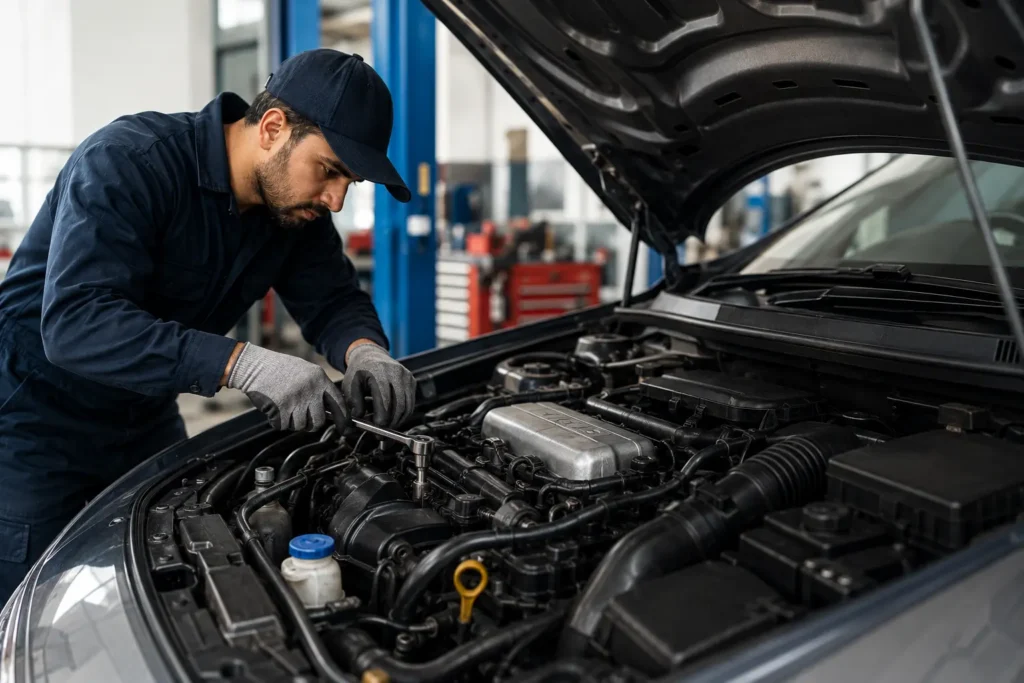
While changing oil at home is possible, professional servicing ensures more than just fresh oil. A garage visit typically includes:
- Full fluid top-up and leak inspection
- Oil filter replacement
- Visual engine check for wear or corrosion
- Digital reset of the service interval indicator
Professionals also properly dispose of old oil, protecting the environment. Visiting the best car garage in Sharjah ensures that you get high-quality oil, certified filters, and the peace of mind that your car is cared for by trained technicians.
Final Thoughts: Treat Your Engine Like It Treats You
Your car’s engine takes the brunt of the UAE’s climate every single day; the least you can do is keep its oil fresh and clean. A timely oil change isn’t just about maintenance; it’s about protecting your investment and ensuring your car performs at its best for years.
Before your next long drive or service milestone, schedule a quick visit to your trusted auto repair Sharjah center. The experts at the best car garage in Sharjah can recommend the right oil, check your filters, and keep your engine cool and efficient, even under the UAE’s harshest conditions.
Takeaway: In the UAE, change your oil every 5,000–7,000 km for optimal performance. When in doubt, check the oil’s color, listen to your engine, and never skip a service appointment. A little preventive care today can save you from big repair bills tomorrow.