nepali-garage.com

Author name: Nepali-Garage Sharjah

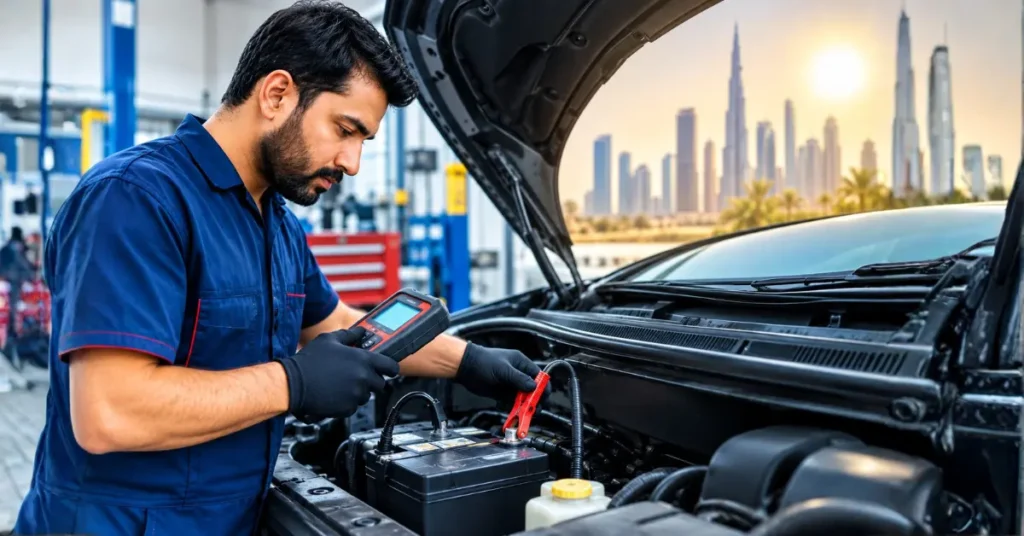
Car battery inspection for battery problems in UAE heat
Car Electrical & Battery

Car Battery Problems in UAE Heat: 7 Warning Signs You Shouldn’t Ignore

The extreme heat in the UAE can be tough on your car, and the battery is one of the components that can suffer the most. While many drivers expect a car battery to fail suddenly, it often gives several warning signs before it completely stops working. High temperatures can accelerate battery wear, reduce its lifespan, and increase the risk of unexpected starting problems. For drivers in Sharjah, Dubai, and across the UAE, knowing these warning signs can help prevent inconvenient breakdowns. Here are 7 common signs that your car battery may need inspection or replacement.  1. Your Car Takes Longer to Start One of the most noticeable signs of a weak battery is a slow engine crank. When you turn the key or press the start button, the engine should crank quickly and smoothly. If you notice the engine takes longer than usual to start, or hear a slow “rrr-rrr” sound before it starts, your battery may not be providing enough power. A weak battery doesn’t always mean it will fail immediately. However, continued slow starting can indicate that the battery is losing its ability to hold or deliver sufficient charge. If this happens repeatedly, it’s worth having the battery and charging system checked.  2. You Hear Clicking When Starting the Car A clicking sound when you try to start your vehicle can be another warning sign. If the dashboard lights come on but the engine doesn’t crank, and you hear repeated clicking, the battery may not have enough power to start the engine. However, a clicking noise can also be related to other electrical or starter-system problems. That’s why replacing the battery without a proper inspection isn’t always the best solution. A professional technician can test the battery voltage, starting performance, and charging system to identify the actual cause. 3. Your Headlights or Interior Lights Look Dim Your car’s electrical system depends heavily on a healthy battery and alternator. If your headlights appear noticeably dimmer than usual, particularly when the engine is idling, it could indicate an electrical or charging problem. You may also notice dashboard or interior lights becoming weaker. Sometimes the alternator rather than the battery is responsible. The alternator charges the battery while the engine is running, so problems with either component can produce similar symptoms. For this reason, a complete electrical-system inspection is preferable to simply installing a new battery.  4. Electrical Features Start Acting Strangely A weak battery can sometimes cause unusual electrical behavior. You might notice: Power windows operating more slowly Central locking becoming inconsistent Dashboard lights behaving unusually Infotainment systems restarting Certain electronic features becoming less responsive Modern vehicles rely on numerous electronic systems so that unstable voltage can affect more than just the engine-starting process. If several electrical features begin behaving differently at around the same time, don’t ignore the problem. A battery and charging-system inspection can help determine whether low voltage is responsible.  5. Your Battery Is More Than a Few Years Old Even if your car still starts normally, battery age matters. Car batteries are consumable components, and their performance gradually decreases over time. The UAE’s high temperatures can place additional stress on batteries and may shorten their useful service life compared with milder climates. Instead of waiting until the vehicle refuses to start, have the battery tested periodically as it gets older. A battery test can provide useful information about its current condition and starting capacity, helping you plan a replacement before an unexpected breakdown.  6. You Notice Swelling, Cracks or Leaking Check the battery during routine maintenance, but do not handle a damaged battery unnecessarily. If the battery case appears swollen, cracked, or physically distorted, it may have suffered internal damage or excessive heat exposure. Leaking fluid is also a serious warning sign. A damaged battery should be professionally inspected and replaced when necessary. Because battery problems involve electrical power and potentially corrosive materials, avoid attempting repairs yourself if you aren’t familiar with automotive electrical systems.  7. Your Car Needs Frequent Jump-Starts If you have recently needed to jump-start your car more than once, don’t treat it as a permanent solution. A jump-start can temporarily get the vehicle running, but it doesn’t fix the underlying problem. Frequent jump-starts could indicate a weak battery, a charging system problem, or an electrical drain that discharges the battery while the vehicle is parked. For example, a faulty electrical component, aftermarket accessory, or charging-system issue could gradually drain the battery. A professional diagnosis can identify the actual cause before you end up stranded.  How UAE Heat Affects Your Car Battery Extreme temperatures can accelerate chemical reactions within a battery and accelerate the deterioration of its internal components. This is particularly important in the UAE, where vehicles can be exposed to very high temperatures while parked outdoors. Regular maintenance can help identify battery problems before they become inconvenient. Keeping electrical connections clean, checking the battery condition during servicing, and ensuring the charging system is functioning correctly can all help reduce unexpected starting problems.  Don’t Wait for a Complete Battery Failure A dead battery rarely happens at a convenient time. It could leave you stuck in a parking area, outside your home, or on the roadside when you need your car most. If you notice slow starting, clicking noises, dim lights, unusual electrical behavior, battery swelling, or repeated jump-start requirements, get the vehicle inspected rather than waiting for the battery to fail. For drivers in Sharjah and the wider UAE, regular battery testing is a simple preventative step that can help avoid unexpected breakdowns.  Final Thoughts Your car battery may be small, but it plays a critical role in starting the engine and supporting your vehicle’s electrical systems. UAE heat can make battery maintenance even more important. By recognizing these seven warning signs early, you can address potential problems before they turn into an inconvenient breakdown. If your car is showing several of these symptoms, have the battery, alternator, and electrical system checked by a qualified automotive technician. Need help with a

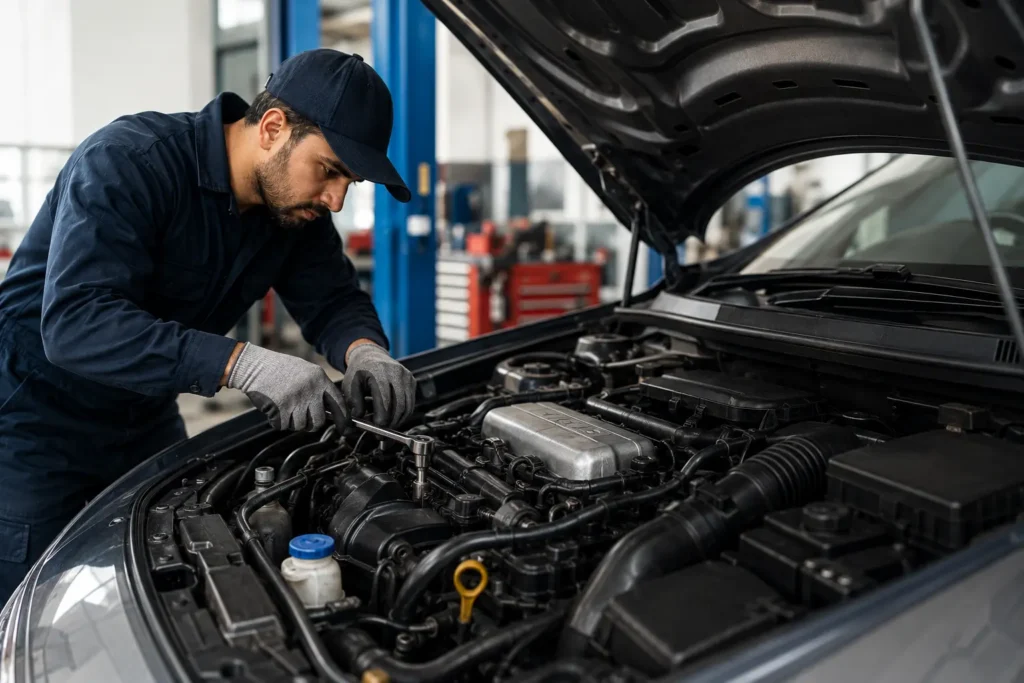
Professional mechanic performing engine repair and diagnostics on a modern car at an auto garage in Sharjah
Engine & Mechanical Repair

Signs Your Car Engine Needs Repair | Expert Guide for Sharjah Drivers

Your car’s engine is the heart of your vehicle. It powers every journey, from daily commutes across Sharjah to longer drives between Sharjah and other Emirates. A properly maintained engine ensures better performance, improved fuel efficiency, and a safer driving experience. However, the UAE’s driving environment can be challenging for vehicles. High temperatures, dusty roads, heavy traffic, and frequent short-distance trips can put additional stress on engine components. Even modern engines require regular inspections and proper maintenance to perform reliably over time. Understanding common engine problems, recognizing early warning signs, and choosing the right repair workshop can help you avoid unexpected breakdowns and expensive repairs.   Why Engine Repairs Should Never Be Ignored Most engine problems do not happen suddenly. They usually begin with small warning signs that many drivers overlook. A minor oil leak, unusual engine noise, reduced performance, or a warning light on the dashboard may seem harmless at first, but delaying repairs can lead to serious mechanical damage. Your engine depends on several systems working together, including lubrication, cooling, fuel delivery, and ignition. When one component starts failing, it can affect other parts and reduce overall engine performance. Addressing engine issues early helps prevent costly repairs, improves reliability, and extends the lifespan of your vehicle.   Common Signs Your Engine Needs Repair Your vehicle often provides warning signals before a major engine failure occurs. Paying attention to these signs can help you take action at the right time. Check Engine Light The check engine light is one of the most common indicators of a vehicle problem. While it does not always mean there is a major engine failure, it shows that the vehicle’s computer has detected an issue. The cause could be something simple, such as a faulty sensor, or something more serious involving the ignition system, fuel system, or engine components. A professional inspection can identify the exact cause and prevent unnecessary damage. Unusual Engine Sounds A healthy engine should operate smoothly. If you notice knocking, ticking, grinding, or rattling sounds, it may indicate a problem inside the engine. These noises can be caused by worn components, poor lubrication, damaged bearings, or other mechanical issues. Ignoring unusual sounds can result in more extensive engine damage. Loss of Power or Slow Acceleration If your vehicle struggles to accelerate or feels less responsive than before, there may be an issue affecting engine performance. Common causes include: Dirty fuel injectors Worn spark plugs Air intake problems Ignition system faults Fuel delivery issues Reduced engine performance often develops gradually, which is why many drivers do not notice the problem immediately. Engine Overheating Engine overheating is a common concern for vehicles operating in Sharjah’s hot climate. High temperatures can place extra pressure on the cooling system, especially during summer. Problems such as low coolant levels, radiator leaks, thermostat failure, or water pump issues can cause the engine temperature to rise. Driving an overheating vehicle can lead to severe problems, including damaged engine components and expensive repairs. Excessive Exhaust Smoke Exhaust smoke can provide important clues about engine condition. Blue smoke may indicate that the engine is burning oil. White smoke may suggest coolant is entering the combustion chamber. Black smoke can indicate excessive fuel consumption. If you notice unusual exhaust smoke, it is recommended to have your vehicle inspected by a qualified technician.   Common Engine Problems in Sharjah Driving conditions in Sharjah can contribute to several common engine-related issues. Cooling System Problems The cooling system plays a critical role in maintaining safe engine temperatures. In hot weather conditions, components such as radiators, hoses, thermostats, and water pumps must work efficiently. A small cooling system problem can quickly become a major engine issue if it is not repaired in time. Oil Leaks Engine oil reduces friction between moving components and helps prevent excessive wear. When seals or gaskets become damaged, oil leaks can develop. Low oil levels can increase friction, raise engine temperatures, and cause internal damage over time. Spark Plug and Ignition Issues Spark plugs and ignition components are essential for smooth engine operation. Worn spark plugs can cause rough idling, difficulty starting, reduced acceleration, and increased fuel consumption. Regular inspection and replacement help maintain proper engine performance. Fuel System Problems Fuel injectors deliver fuel to the engine for combustion. Over time, dirt and deposits can affect injector performance, resulting in poor acceleration, reduced efficiency, and uneven engine operation. Routine servicing helps maintain a clean and efficient fuel system.   The Importance of Professional Engine Diagnostics Modern vehicles use advanced electronic systems to monitor engine performance. When a problem occurs, the vehicle stores information that technicians can use to identify the source of the issue. A professional inspection may include: Computerized fault code scanning Engine performance testing Visual inspection of components Cooling system checks Compression testing when required Regular Engine Diagnostics in Sharjah can help detect hidden problems before they develop into major repairs. Early detection allows technicians to fix issues before they affect other engine components.   Preventive Maintenance Saves Money Many expensive engine repairs happen because small problems are ignored for too long. For example, repairing a minor oil leak is far more affordable than replacing damaged engine parts caused by oil starvation. Similarly, replacing worn spark plugs or belts at the correct time can prevent larger mechanical failures. Regular engine maintenance should include: Engine oil and filter replacement Coolant inspection Air filter replacement Spark plug checks Belt and hose inspection Battery testing Regular vehicle inspections A consistent maintenance routine improves reliability and keeps your vehicle performing efficiently.   Choosing the Right Engine Repair Workshop in Sharjah Selecting the right garage is an important decision when dealing with engine problems. Engine repairs require technical knowledge, accurate diagnosis, and quality artistry. When choosing an engine repair service provider in Sharjah, look for: Experienced technicians Modern diagnostic equipment Transparent pricing Quality replacement parts Clear explanations of repairs Positive customer feedback A reliable workshop will focus on identifying the actual cause of the problem rather than recommending unnecessary repairs.  

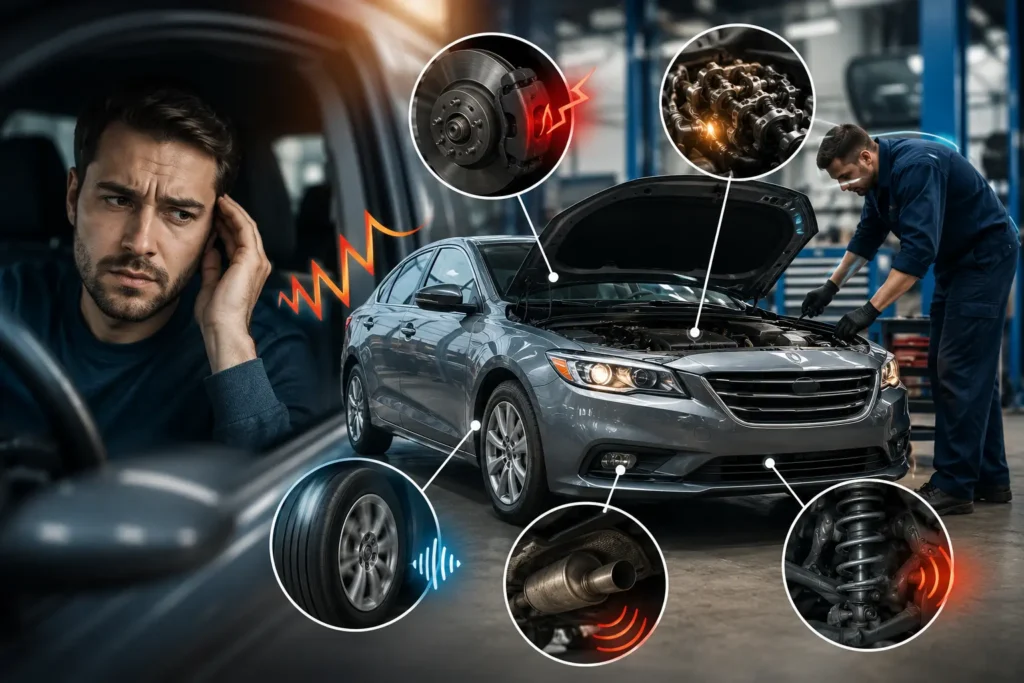
Driver and mechanic diagnosing strange car noises from brakes, engine, wheels, exhaust, and suspension.
Engine & Mechanical Repair

What Your Car Is Trying to Tell You: Understanding Strange Vehicle Noises Before They Become Costly Repairs

Strange car noises can be easy to ignore, especially when your vehicle still seems to drive normally. However, unusual sounds are often the first warning signs of developing mechanical problems. From squealing brakes and engine knocking to rattling exhaust systems and humming wheels, these noises can indicate wear, damage, or failing components that need attention. Understanding what your car is trying to tell you can help you prevent costly repairs, improve vehicle safety, and avoid unexpected breakdowns. In this guide, we’ll explore the most common car noises, their possible causes, and when you should schedule a professional inspection.   Why You Should Never Ignore Unusual Car Noises Modern vehicles are engineered to operate smoothly and quietly. When a new sound appears, it’s often a sign that a component is worn, loose, or malfunctioning. Ignoring strange vehicle noises can lead to: · Increased repair costs · Reduced fuel efficiency · Poor vehicle performance · Safety hazards while driving · Unexpected roadside breakdowns The earlier a problem is diagnosed, the more affordable and straightforward the repair is likely to be.   Common Car Noises and What They Mean Squealing or Screeching When Braking A high-pitched squeal when applying the brakes is one of the most common warning signs drivers experience. Possible Causes · Worn brake pads · Brake pad wear indicators contacting the rotor · Glazed brake pads or rotors · Dust or debris between braking surfaces Brake pads are often designed with wear indicators that create a squealing noise when replacement is needed. What to Do If the squealing occurs regularly, schedule a brake inspection as soon as possible. Delaying repairs may lead to damaged brake rotors and significantly higher repair costs.   Knocking or Tapping Sounds From the Engine Engine knocking should never be ignored. This sound often indicates an issue with lubrication or internal engine operation. Possible Causes · Low engine oil levels · Poor lubrication · Worn engine components · Fuel combustion problems When engine parts are not properly lubricated, metal components can create a knocking or tapping sound during operation. What to Do Check your engine oil level immediately. If the noise persists after adding oil, seek professional diagnosis to prevent serious engine damage.   Grinding Noise While Driving Grinding sounds often indicate metal-on-metal contact and should be addressed immediately. Possible Causes · Severely worn brake pads · Damaged wheel bearings · Transmission problems · Worn drivetrain components In many cases, grinding brakes occur when brake pads have worn completely through, causing the backing plate to rub against the rotor. What to Do Do not ignore a grinding noise. Continuing to drive may cause extensive damage and compromise vehicle safety.   Rattling Under the Car A rattling noise underneath your vehicle can range from a minor issue to a sign of significant mechanical wear. Possible Causes · Loose exhaust system components · Damaged heat shields · Worn suspension parts · Loose brackets or mounting hardware Road vibrations and daily driving can gradually loosen components over time. What to Do If the rattling becomes more noticeable during acceleration or worsens over time, have the vehicle inspected by a qualified technician.   Humming or Growling Noise From the Wheels A low humming or growling sound that changes with vehicle speed often points to wheel or tire-related problems. Possible Causes · Worn wheel bearings · Uneven tire wear · Tire damage · Wheel alignment issues Wheel bearings help wheels rotate smoothly. As they wear, they can create a noticeable humming noise, especially at higher speeds. What to Do Because wheel bearing failure can affect vehicle control and safety, persistent wheel noise should be diagnosed promptly.   Clicking Noise When Turning A clicking or popping sound while turning corners is often associated with drivetrain wear. Possible Causes · Worn CV joints · Damaged axle components · Torn CV boots Constant Velocity (CV) joints transfer power from the transmission to the wheels while allowing flexibility during steering and suspension movement. What to Do Address clicking sounds early. Replacing a damaged CV boot is typically far less expensive than replacing the entire axle assembly.   Hissing or Whistling Sounds From the Engine Bay A hissing or whistling noise may indicate that air, vacuum pressure, or coolant is escaping from the system. Possible Causes · Vacuum leaks · Cracked hoses · Intake system leaks · Cooling system pressure leaks Drivers may also notice rough idling, reduced engine performance, or warning lights. What to Do Schedule a diagnostic inspection if the sound is persistent or accompanied by performance issues.   Clunking Noise Over Bumps A clunking sound when driving over potholes, speed bumps, or rough roads often points to suspension wear. Possible Causes · Worn shock absorbers · Damaged struts · Loose suspension components · Worn control arm bushings Suspension components help absorb road impacts and maintain vehicle stability. What to Do Prompt suspension repairs can improve handling, prevent uneven tire wear, and maintain driving comfort.   Car Noise Diagnosis: When Should You See a Mechanic? While some noises may seem minor initially, they can quickly become expensive repairs if left unresolved. You should arrange a vehicle inspection if: · A new noise appears suddenly · The sound becomes louder over time · Performance changes accompany the noise · Warning lights appear on the dashboard · Steering, braking, or handling feels different Professional car diagnostics can often identify issues before they lead to major component failure.   How Routine Vehicle Maintenance Prevents Strange Noises Many unusual vehicle sounds develop gradually due to normal wear and tear. Regular maintenance allows technicians to identify and replace worn components before they fail. Routine servicing can help prevent: · Brake system failures · Engine wear and lubrication issues · Suspension damage · Tire and wheel problems · Exhaust system deterioration Following your manufacturer’s recommended maintenance schedule is one of the best ways to keep your vehicle running safely, efficiently, and quietly.   Frequently Asked Questions About Car Noises Is it safe to drive with a strange noise coming

Scroll to Top