nepali-garage.com

Engine & Mechanical Repair

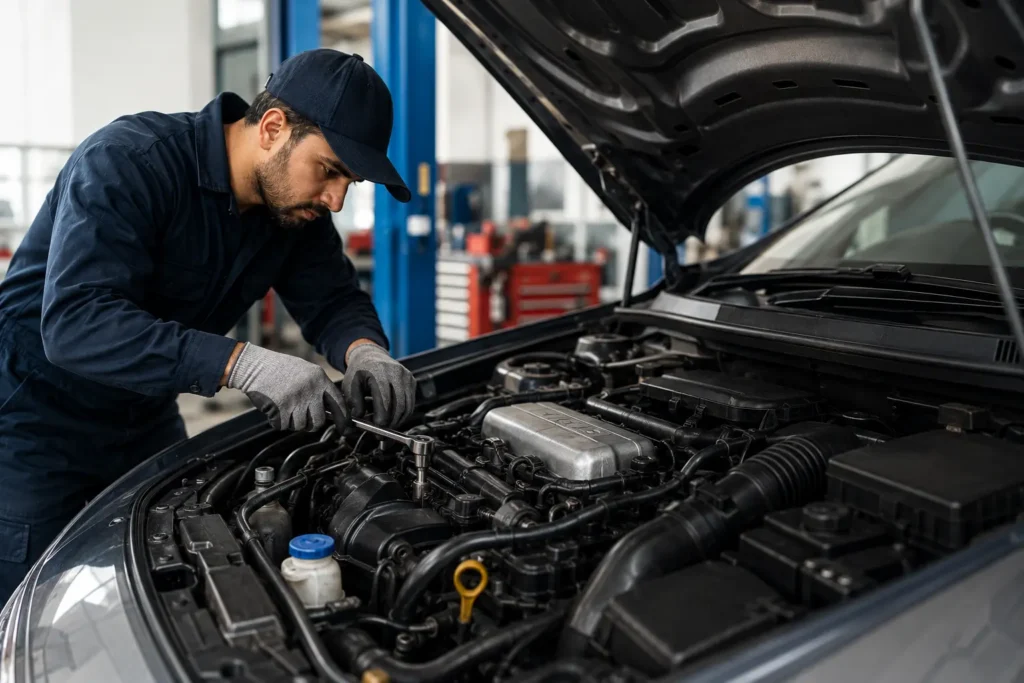
Professional mechanic performing engine repair and diagnostics on a modern car at an auto garage in Sharjah
Engine & Mechanical Repair

Signs Your Car Engine Needs Repair | Expert Guide for Sharjah Drivers

Your car’s engine is the heart of your vehicle. It powers every journey, from daily commutes across Sharjah to longer drives between Sharjah and other Emirates. A properly maintained engine ensures better performance, improved fuel efficiency, and a safer driving experience. However, the UAE’s driving environment can be challenging for vehicles. High temperatures, dusty roads, heavy traffic, and frequent short-distance trips can put additional stress on engine components. Even modern engines require regular inspections and proper maintenance to perform reliably over time. Understanding common engine problems, recognizing early warning signs, and choosing the right repair workshop can help you avoid unexpected breakdowns and expensive repairs.   Why Engine Repairs Should Never Be Ignored Most engine problems do not happen suddenly. They usually begin with small warning signs that many drivers overlook. A minor oil leak, unusual engine noise, reduced performance, or a warning light on the dashboard may seem harmless at first, but delaying repairs can lead to serious mechanical damage. Your engine depends on several systems working together, including lubrication, cooling, fuel delivery, and ignition. When one component starts failing, it can affect other parts and reduce overall engine performance. Addressing engine issues early helps prevent costly repairs, improves reliability, and extends the lifespan of your vehicle.   Common Signs Your Engine Needs Repair Your vehicle often provides warning signals before a major engine failure occurs. Paying attention to these signs can help you take action at the right time. Check Engine Light The check engine light is one of the most common indicators of a vehicle problem. While it does not always mean there is a major engine failure, it shows that the vehicle’s computer has detected an issue. The cause could be something simple, such as a faulty sensor, or something more serious involving the ignition system, fuel system, or engine components. A professional inspection can identify the exact cause and prevent unnecessary damage. Unusual Engine Sounds A healthy engine should operate smoothly. If you notice knocking, ticking, grinding, or rattling sounds, it may indicate a problem inside the engine. These noises can be caused by worn components, poor lubrication, damaged bearings, or other mechanical issues. Ignoring unusual sounds can result in more extensive engine damage. Loss of Power or Slow Acceleration If your vehicle struggles to accelerate or feels less responsive than before, there may be an issue affecting engine performance. Common causes include: Dirty fuel injectors Worn spark plugs Air intake problems Ignition system faults Fuel delivery issues Reduced engine performance often develops gradually, which is why many drivers do not notice the problem immediately. Engine Overheating Engine overheating is a common concern for vehicles operating in Sharjah’s hot climate. High temperatures can place extra pressure on the cooling system, especially during summer. Problems such as low coolant levels, radiator leaks, thermostat failure, or water pump issues can cause the engine temperature to rise. Driving an overheating vehicle can lead to severe problems, including damaged engine components and expensive repairs. Excessive Exhaust Smoke Exhaust smoke can provide important clues about engine condition. Blue smoke may indicate that the engine is burning oil. White smoke may suggest coolant is entering the combustion chamber. Black smoke can indicate excessive fuel consumption. If you notice unusual exhaust smoke, it is recommended to have your vehicle inspected by a qualified technician.   Common Engine Problems in Sharjah Driving conditions in Sharjah can contribute to several common engine-related issues. Cooling System Problems The cooling system plays a critical role in maintaining safe engine temperatures. In hot weather conditions, components such as radiators, hoses, thermostats, and water pumps must work efficiently. A small cooling system problem can quickly become a major engine issue if it is not repaired in time. Oil Leaks Engine oil reduces friction between moving components and helps prevent excessive wear. When seals or gaskets become damaged, oil leaks can develop. Low oil levels can increase friction, raise engine temperatures, and cause internal damage over time. Spark Plug and Ignition Issues Spark plugs and ignition components are essential for smooth engine operation. Worn spark plugs can cause rough idling, difficulty starting, reduced acceleration, and increased fuel consumption. Regular inspection and replacement help maintain proper engine performance. Fuel System Problems Fuel injectors deliver fuel to the engine for combustion. Over time, dirt and deposits can affect injector performance, resulting in poor acceleration, reduced efficiency, and uneven engine operation. Routine servicing helps maintain a clean and efficient fuel system.   The Importance of Professional Engine Diagnostics Modern vehicles use advanced electronic systems to monitor engine performance. When a problem occurs, the vehicle stores information that technicians can use to identify the source of the issue. A professional inspection may include: Computerized fault code scanning Engine performance testing Visual inspection of components Cooling system checks Compression testing when required Regular Engine Diagnostics in Sharjah can help detect hidden problems before they develop into major repairs. Early detection allows technicians to fix issues before they affect other engine components.   Preventive Maintenance Saves Money Many expensive engine repairs happen because small problems are ignored for too long. For example, repairing a minor oil leak is far more affordable than replacing damaged engine parts caused by oil starvation. Similarly, replacing worn spark plugs or belts at the correct time can prevent larger mechanical failures. Regular engine maintenance should include: Engine oil and filter replacement Coolant inspection Air filter replacement Spark plug checks Belt and hose inspection Battery testing Regular vehicle inspections A consistent maintenance routine improves reliability and keeps your vehicle performing efficiently.   Choosing the Right Engine Repair Workshop in Sharjah Selecting the right garage is an important decision when dealing with engine problems. Engine repairs require technical knowledge, accurate diagnosis, and quality artistry. When choosing an engine repair service provider in Sharjah, look for: Experienced technicians Modern diagnostic equipment Transparent pricing Quality replacement parts Clear explanations of repairs Positive customer feedback A reliable workshop will focus on identifying the actual cause of the problem rather than recommending unnecessary repairs.  
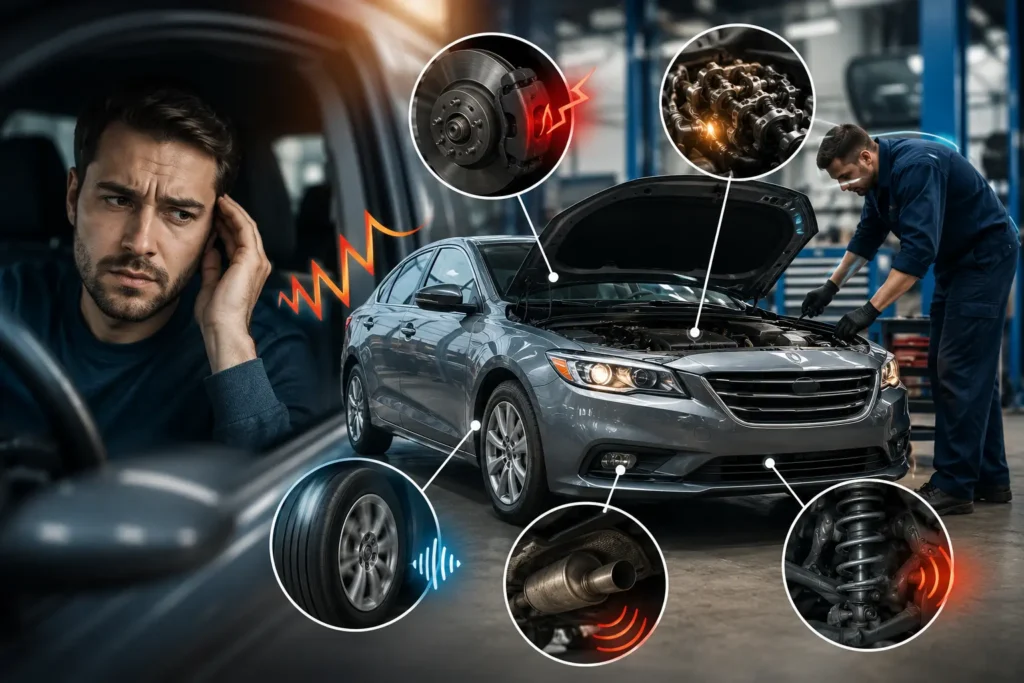
Driver and mechanic diagnosing strange car noises from brakes, engine, wheels, exhaust, and suspension.
Engine & Mechanical Repair

What Your Car Is Trying to Tell You: Understanding Strange Vehicle Noises Before They Become Costly Repairs

Strange car noises can be easy to ignore, especially when your vehicle still seems to drive normally. However, unusual sounds are often the first warning signs of developing mechanical problems. From squealing brakes and engine knocking to rattling exhaust systems and humming wheels, these noises can indicate wear, damage, or failing components that need attention. Understanding what your car is trying to tell you can help you prevent costly repairs, improve vehicle safety, and avoid unexpected breakdowns. In this guide, we’ll explore the most common car noises, their possible causes, and when you should schedule a professional inspection.   Why You Should Never Ignore Unusual Car Noises Modern vehicles are engineered to operate smoothly and quietly. When a new sound appears, it’s often a sign that a component is worn, loose, or malfunctioning. Ignoring strange vehicle noises can lead to: · Increased repair costs · Reduced fuel efficiency · Poor vehicle performance · Safety hazards while driving · Unexpected roadside breakdowns The earlier a problem is diagnosed, the more affordable and straightforward the repair is likely to be.   Common Car Noises and What They Mean Squealing or Screeching When Braking A high-pitched squeal when applying the brakes is one of the most common warning signs drivers experience. Possible Causes · Worn brake pads · Brake pad wear indicators contacting the rotor · Glazed brake pads or rotors · Dust or debris between braking surfaces Brake pads are often designed with wear indicators that create a squealing noise when replacement is needed. What to Do If the squealing occurs regularly, schedule a brake inspection as soon as possible. Delaying repairs may lead to damaged brake rotors and significantly higher repair costs.   Knocking or Tapping Sounds From the Engine Engine knocking should never be ignored. This sound often indicates an issue with lubrication or internal engine operation. Possible Causes · Low engine oil levels · Poor lubrication · Worn engine components · Fuel combustion problems When engine parts are not properly lubricated, metal components can create a knocking or tapping sound during operation. What to Do Check your engine oil level immediately. If the noise persists after adding oil, seek professional diagnosis to prevent serious engine damage.   Grinding Noise While Driving Grinding sounds often indicate metal-on-metal contact and should be addressed immediately. Possible Causes · Severely worn brake pads · Damaged wheel bearings · Transmission problems · Worn drivetrain components In many cases, grinding brakes occur when brake pads have worn completely through, causing the backing plate to rub against the rotor. What to Do Do not ignore a grinding noise. Continuing to drive may cause extensive damage and compromise vehicle safety.   Rattling Under the Car A rattling noise underneath your vehicle can range from a minor issue to a sign of significant mechanical wear. Possible Causes · Loose exhaust system components · Damaged heat shields · Worn suspension parts · Loose brackets or mounting hardware Road vibrations and daily driving can gradually loosen components over time. What to Do If the rattling becomes more noticeable during acceleration or worsens over time, have the vehicle inspected by a qualified technician.   Humming or Growling Noise From the Wheels A low humming or growling sound that changes with vehicle speed often points to wheel or tire-related problems. Possible Causes · Worn wheel bearings · Uneven tire wear · Tire damage · Wheel alignment issues Wheel bearings help wheels rotate smoothly. As they wear, they can create a noticeable humming noise, especially at higher speeds. What to Do Because wheel bearing failure can affect vehicle control and safety, persistent wheel noise should be diagnosed promptly.   Clicking Noise When Turning A clicking or popping sound while turning corners is often associated with drivetrain wear. Possible Causes · Worn CV joints · Damaged axle components · Torn CV boots Constant Velocity (CV) joints transfer power from the transmission to the wheels while allowing flexibility during steering and suspension movement. What to Do Address clicking sounds early. Replacing a damaged CV boot is typically far less expensive than replacing the entire axle assembly.   Hissing or Whistling Sounds From the Engine Bay A hissing or whistling noise may indicate that air, vacuum pressure, or coolant is escaping from the system. Possible Causes · Vacuum leaks · Cracked hoses · Intake system leaks · Cooling system pressure leaks Drivers may also notice rough idling, reduced engine performance, or warning lights. What to Do Schedule a diagnostic inspection if the sound is persistent or accompanied by performance issues.   Clunking Noise Over Bumps A clunking sound when driving over potholes, speed bumps, or rough roads often points to suspension wear. Possible Causes · Worn shock absorbers · Damaged struts · Loose suspension components · Worn control arm bushings Suspension components help absorb road impacts and maintain vehicle stability. What to Do Prompt suspension repairs can improve handling, prevent uneven tire wear, and maintain driving comfort.   Car Noise Diagnosis: When Should You See a Mechanic? While some noises may seem minor initially, they can quickly become expensive repairs if left unresolved. You should arrange a vehicle inspection if: · A new noise appears suddenly · The sound becomes louder over time · Performance changes accompany the noise · Warning lights appear on the dashboard · Steering, braking, or handling feels different Professional car diagnostics can often identify issues before they lead to major component failure.   How Routine Vehicle Maintenance Prevents Strange Noises Many unusual vehicle sounds develop gradually due to normal wear and tear. Regular maintenance allows technicians to identify and replace worn components before they fail. Routine servicing can help prevent: · Brake system failures · Engine wear and lubrication issues · Suspension damage · Tire and wheel problems · Exhaust system deterioration Following your manufacturer’s recommended maintenance schedule is one of the best ways to keep your vehicle running safely, efficiently, and quietly.   Frequently Asked Questions About Car Noises Is it safe to drive with a strange noise coming

Engine & Mechanical Repair

How Often Should You Change Engine Oil in UAE?

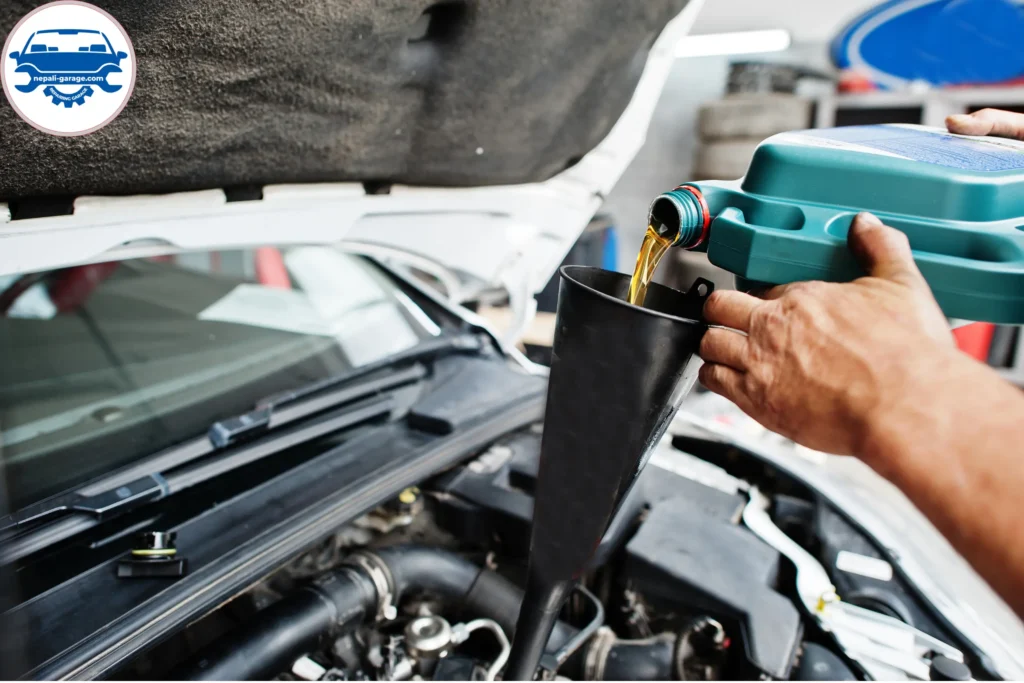
If you’ve driven in the UAE for a while, you already know the struggle, the intense desert heat, long daily commutes, and constant stop-and-go traffic can make even new cars feel overworked. One of the simplest but most crucial things you can do to protect your car from that strain is to change the engine oil regularly. But how often should you actually do it? Every 5,000 kilometers? Every three months? Or just when the dashboard light comes on? The truth isn’t one-size-fits-all; it depends on your driving habits, car type, and, importantly, the harsh UAE climate. Let’s break it down so you can keep your engine running smoothly and avoid costly repairs. A quick visit to a trusted auto repair Sharjah center can help you get the right guidance based on your specific car and usage. Why Engine Oil Matters More in the UAE Engine oil is your car’s lifeblood. It lubricates moving parts, reduces friction, and helps dissipate heat. In normal conditions, it works quietly in the background until it doesn’t. In the UAE’s extreme temperatures, oil breaks down faster. When you drive in 45°C heat, the engine runs hotter, and the oil oxidizes more quickly. Dust and sand can also sneak into the system, contaminating the oil and reducing its protective quality. That’s why mechanics at the best car garage in Sharjah often recommend more frequent oil changes here than what manufacturers suggest for cooler climates. Most global car manuals assume moderate weather conditions, not daily exposure to desert heat and humidity. So, if your owner’s manual says “change oil every 10,000 km,” in the UAE, it’s safer to do it every 5,000–7,000 km. Signs That Your Engine Oil Needs Changing Even if you lose track of mileage, your car gives clues that it’s time for an oil change. Watch out for these: Dark, dirty oil: Fresh oil is amber and translucent. As it collects dirt and combustion residue, it darkens. Increased engine noise: Dirty or low oil means more friction; you might hear a ticking or knocking sound. Oil change light: Don’t ignore the dashboard reminder, it’s your car’s way of calling for help. Exhaust smoke: Blue or gray smoke can mean the oil is burning or leaking. Reduced fuel efficiency: Old oil makes the engine work harder, using more fuel. If you notice any of these, don’t wait for your next scheduled service; visit a nearby auto repair Sharjah workshop for a quick inspection. Choosing the Right Oil for UAE Conditions Not all oils are equal, and in hot climates, your choice matters more than ever. Here’s what to look for: Viscosity: This measures how thick or thin the oil is. For the UAE, a 10W-40 or 5W-40 grade is typically recommended, depending on your car model. The “W” stands for winter, but in our case, the second number (the higher one) indicates better protection against high temperatures. Synthetic vs. Conventional: Synthetic oils handle heat better, last longer, and provide superior protection. While they cost more upfront, they can extend your engine’s life. Manufacturer’s recommendation: Always check your car manual or ask a technician at the best car garage in Sharjah which oil brand and grade best suit your engine type. Driving Habits That Affect Oil Life Your driving style directly affects how quickly oil degrades. For example: Short trips: Frequent short drives don’t let the engine reach optimal temperature, leading to faster oil contamination. Long idling: Heavy traffic and long waits with the AC running can overheat the engine oil. Dusty roads: Driving near construction areas or in desert regions introduces more debris into the system. If any of these sound like your daily routine, stick to a shorter oil-change interval, around every 5,000 km, and have your filters checked frequently. The Cost of Neglecting Oil Changes Skipping oil changes might seem harmless at first, but the damage accumulates silently. Over time, sludge builds up inside the engine, blocking vital oil passages. This leads to increased friction, overheating, and eventually, engine failure. What might have been a 200 AED oil change can turn into a 5,000 AED engine repair. Mechanics at reputable auto repair Sharjah centers often say that most major engine failures they see could have been prevented by timely oil changes. The Importance of Professional Oil Changes While changing oil at home is possible, professional servicing ensures more than just fresh oil. A garage visit typically includes: Full fluid top-up and leak inspection Oil filter replacement Visual engine check for wear or corrosion Digital reset of the service interval indicator Professionals also properly dispose of old oil, protecting the environment. Visiting the best car garage in Sharjah ensures that you get high-quality oil, certified filters, and the peace of mind that your car is cared for by trained technicians. Final Thoughts: Treat Your Engine Like It Treats You Your car’s engine takes the brunt of the UAE’s climate every single day; the least you can do is keep its oil fresh and clean. A timely oil change isn’t just about maintenance; it’s about protecting your investment and ensuring your car performs at its best for years. Before your next long drive or service milestone, schedule a quick visit to your trusted auto repair Sharjah center. The experts at the best car garage in Sharjah can recommend the right oil, check your filters, and keep your engine cool and efficient, even under the UAE’s harshest conditions. Takeaway: In the UAE, change your oil every 5,000–7,000 km for optimal performance. When in doubt, check the oil’s color, listen to your engine, and never skip a service appointment. A little preventive care today can save you from big repair bills tomorrow.

Scroll to Top